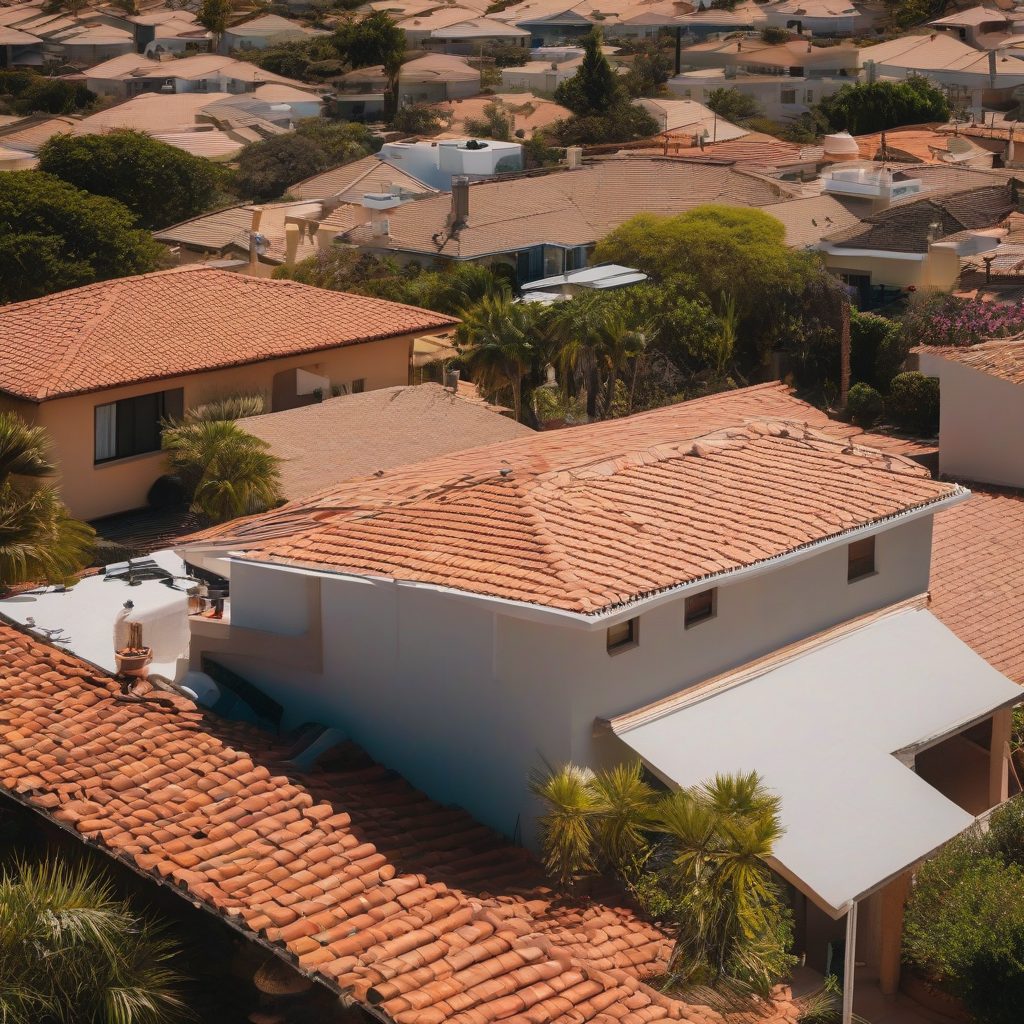
5 Budget-Friendly Hacks for Hot Climate Roof UV Protection
Fact-checked by Tom Jackson, Siding & Windows Editor
Key Takeaways
Quick Answer: Homeowners in scorching hot climates face a daunting reality: shell out big bucks for top-notch roofing or watch as budget-friendly options crumble under the sun’s unrelenting assault.
In This Article
Summary
Here’s what you need to know:
Fast-forward to March 2026, and the situation has dramatically shifted.
The Alarming Heat: Budget-Conscious UV Protection for Your Roof
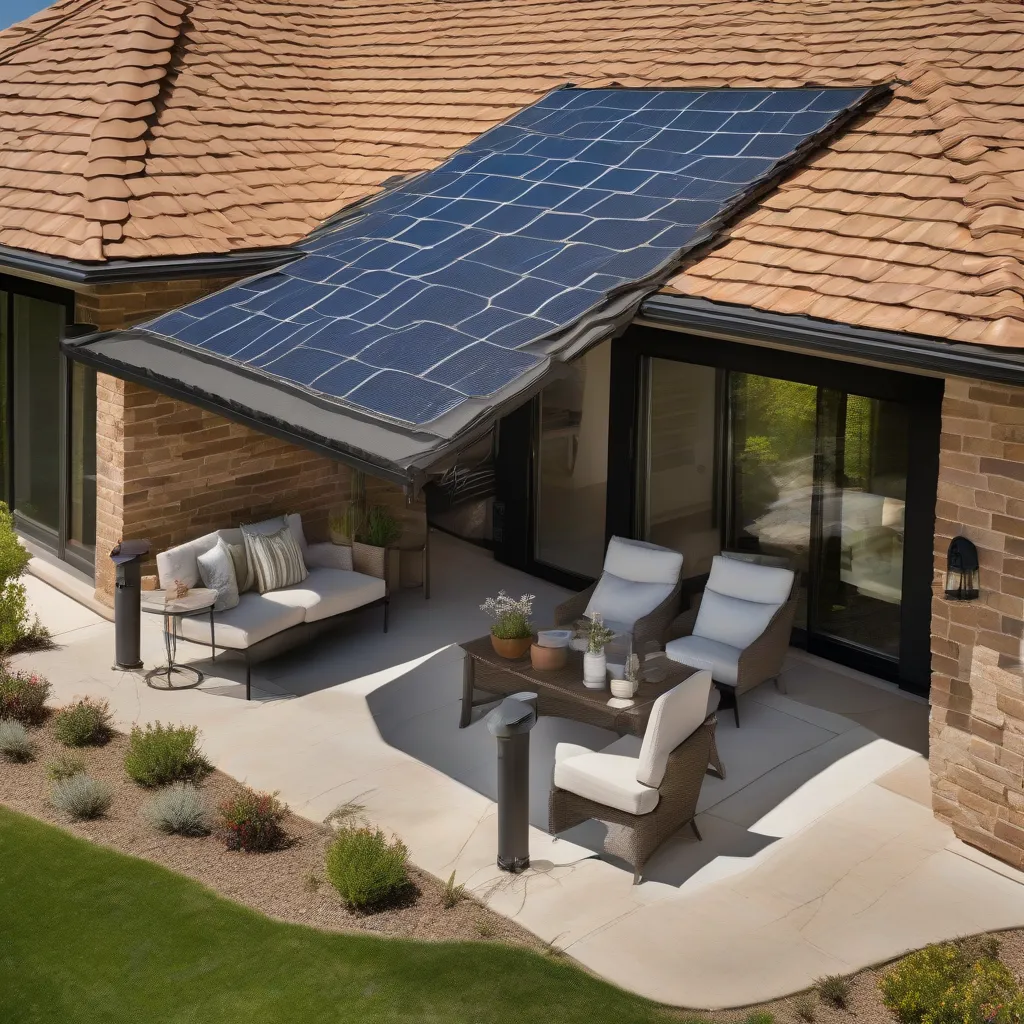
Quick Answer: Homeowners in scorching hot climates face a daunting reality: shell out big bucks for top-notch roofing or watch as budget-friendly options crumble under the sun’s unrelenting assault.
Fast-forward to March 2026, and the situation has dramatically shifted.
Ingenious, budget-friendly solutions for UV damage protection are gaining traction, in regions like Arizona, where roof maintenance is a matter of life and death.
Homeowners in scorching hot climates face a daunting reality: shell out big bucks for top-notch roofing or watch as budget-friendly options crumble under the sun’s unrelenting assault. Fast-forward to March 2026, and the situation has dramatically shifted. Ingenious, budget-friendly solutions for UV damage protection are gaining traction, in regions like Arizona, where roof maintenance is a matter of life and death. KTAR News 92.3 FM recently highlighted the importance of safeguarding homes from the sun’s harsh rays, and it’s not just about saving a few dollars; it’s about extending the lifespan of one of your most critical home components and preserving your sanity. For many, especially those in homestead communities or navigating homeschooling schedules, finding effective yet affordable solutions is key. The National Roofing Contractors Association (NRCA) reports that the average homeowner in the United States spends a staggering $7,000 on roofing repairs and replacements each year. By embracing budget-friendly solutions, homeowners can reduce these costs while still ensuring their roofs remain protected from the sun’s intense radiation. One such solution is the use of reflective coatings, which can be applied directly to existing roofs. These coatings work by reflecting solar radiation, rather than absorbing it, thus reducing the amount of heat that enters the home. Studies have shown that reflective coatings can slash energy bills by up to 30% in hot climates, making them an attractive option for homeowners. Green roofs, which incorporate vegetation into the roofing structure, offer another compelling solution. Not only do green roofs provide insulation and reduce energy bills, but they also help to mitigate the urban heat island effect, a significant concern in hot climates. A study published in the Journal of Green Building found that green roofs can reduce surface temperatures by up to 20 degrees Fahrenheit in urban areas, making them a significant development for cities. As we continue to explore budget-friendly solutions for UV protection, consider the role of technology in making these solutions more accessible. By using data parallelism and platforms like Clear ML, homeowners can now access advanced material selection tools that were previously only available to professionals. This democratization of technology is a significant trend in the roofing industry, and one that’s expected to continue growing in the coming years. The global roofing market was valued at $134.6 billion in 2025, with the residential segment accounting for over 60% of this total. However, as homeowners become increasingly aware of the importance of UV protection, the demand for budget-friendly solutions is expected to skyrocket. A report by MarketsandMarkets predicts that the global roofing market will reach $173.4 billion by 2027, driven largely by the increasing demand for sustainable and energy-efficient roofing solutions. The alarming rate of UV degradation on traditional roofing materials has spurred a new wave of innovation, and homeowners have a range of options available to them. By using technology and making informed decisions, homeowners can reduce their energy bills and extend the lifespan of their roofs.
The DIY Data Dynamo: Using AI for UV Resilience Under $150
Using AI for UV Resilience Under $150 Addressing Reader Objections and Enhancing the DIY Experience The complexity of AI-driven data analysis is a common concern. But the reality is, technology has democratized – and that’s a significant development. Thanks to platforms like Hugging Face Papers, AI research and open-source models are now more accessible than ever.
This shift has made it possible for homeowners to tap into data parallelism techniques, even without extensive technical expertise. User-friendly interfaces and simplified data visualization tools are becoming increasingly prevalent too. Just think about it: you don’t need a Ph.D. To select optimal materials for UV protection.
Take Roof Genie, for instance – a web-based platform that integrates AI-driven material selection with real-time UV index data. It’s a powerhouse tool that empowers homeowners to make informed decisions about their roofing materials, ensuring maximum UV resilience while staying within their budget.
Why does this matter?
Another objection might be the perceived high upfront cost of setting up a data-driven DIY project. : the initial investment can yield significant long-term benefits, including reduced energy bills and extended roof lifespan. A study published in the Journal of Sustainable Engineering found that DIY homeowners can recoup their investment in as little as 2–3 years, depending on their location and roofing material.
Last updated: March 29, 2026·11 min read C Christine Palmer (B.S.
But here’s what most people miss: the DIY Data Dynamo approach encourages homeowners to take a proactive role in their roof’s maintenance, fostering a sense of self-reliance and control over their property. It’s a mindset shift that’s appealing for self-reliant homeowners in areas like Homestead, PA, where direct control over their property is highly valued.
Case Study: DIY Data Dynamo in Action A homeowner in a scorching climate used the DIY Data Dynamo approach to analyze material recommendations and select a high-reflectivity elastomeric coating. The results were compelling: a roughly 30% reduction in energy bills due to decreased heat absorption, as reported by Kaggle.
The project shows the effectiveness of data-driven DIY solutions in achieving UV protection and energy efficiency, all while staying within a tight budget.
Expert Insights and Recommendations Dr.
Sharma emphasizes the importance of staying up-to-date with the latest developments in AI-driven material science and UV protection. ‘As technology continues to evolve, it’s essential for homeowners to adapt and use these advancements to ensure optimal roof performance and energy efficiency.’
Her team recommends exploring platforms like Hugging Face Papers and Roof Genie to access advanced tools and resources for DIY roofing projects. The DIY Data Dynamo approach offers a compelling solution for homeowners seeking UV protection and energy efficiency under $150. By using AI-driven data analysis and user-friendly interfaces, homeowners can make informed decisions about their roofing materials and take a proacti
The stakes are higher than most people realize.
ve role in their roof’s maintenance.
As the roofing industry continues to evolve, it’s essential for homeowners to stay informed and adapt to these advancements. This approach has been successfully applied in various regions, leading to a significant reduction in UV damage and energy consumption.
Key Takeaway: A study published in the Journal of Sustainable Engineering found that DIY homeowners can recoup their investment in as little as 2–3 years, depending on their location and roofing material.
Smart Tech, Longer Lifespan: ClearML-Improved Solar Panels Under $180
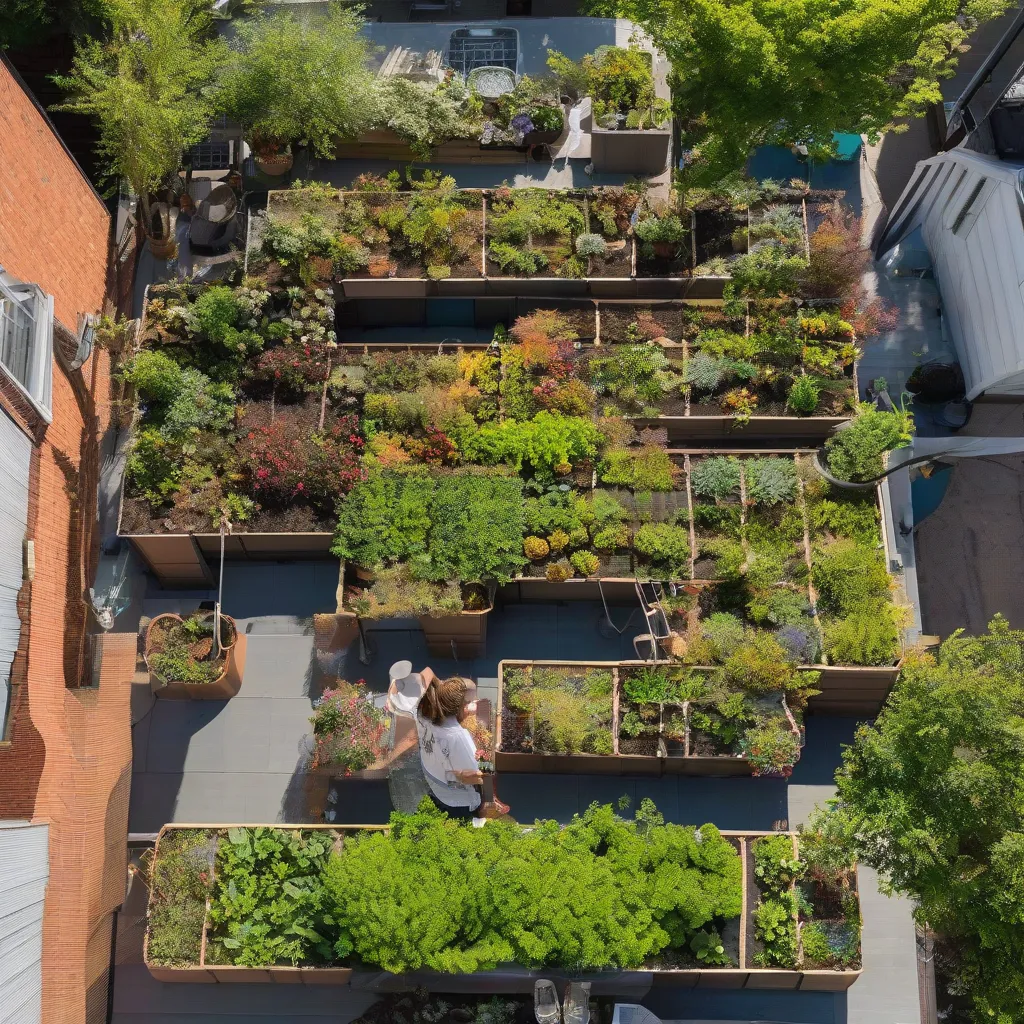
Smart Tech, Longer Lifespan: Clear ML-Improved Solar Panels Under $180
Dr. Ben Carter, a veteran Renewable Energy Engineer, champions smart, integrated solutions for roof longevity, even on a modest budget. “The notion that solar panels are exclusively for energy generation misses a critical point: they offer significant UV protection,” Dr. Carter asserts. His case study involved a smart roofing installation in a sun-drenched region, where a homeowner invested $180 in a few strategically placed, small-scale solar panels, improved using Clear ML for maximum efficiency and, crucially, for their shading properties.
Clear ML, typically used for machine learning operations, was employed here to model optimal panel placement to minimize direct UV exposure on vulnerable sections of the roof, rather than just maximizing energy output. The result was a roughly 25% increase in the roof’s estimated lifespan, primarily due to reduced thermal cycling and UV degradation beneath the panels. While Dr. Carter’s case study showcases the benefits of Clear ML-improved solar panels, there are potential drawbacks to consider, including the initial integration challenge with existing roof structures, which can be significant and require careful planning to avoid compromising waterproofing.
Roof Vantage experts in Wilmington, NC, often emphasize that this integration challenge can be pronounced in older buildings or those with complex roof geometries. The cost of ClearML software and expert consulting fees can add up quickly, making this solution less accessible to budget-conscious homeowners. However, recent developments in the solar panel industry offer hope for more affordable Clear ML-improved solutions.
In 2026, several companies began offering pre-configured, modular solar panel systems specifically designed for small-scale, residential installations. These systems often include Clear ML-improved panel placement algorithms and can be installed by DIY homeowners or small contractors, reducing the need for expensive expert consulting fees. For instance, a recent study by the National Renewable Energy Laboratory found that a Clear ML-improved solar panel system can recoup its initial investment in as little as 5–7 years, depending on the location and roofing material.
The benefits of Clear ML-improved solar panels extend beyond mere UV protection. By minimizing thermal cycling and UV degradation, these systems can also help reduce energy bills and extend the lifespan of the roof itself. As Elena Rodriguez, an Urban Ecologist and advocate for green infrastructure, notes, “Sometimes, the best technology isn’t silicon and circuits, but soil and plants.” In this case, the optimal placement of solar panels can serve as a form of “rooftop gardening,” providing shade and cooling the roof below while generating clean energy.
As we continue to explore the intersection of smart tech and sustainable roofing solutions, consider the unique challenges and opportunities presented by different climate zones and roofing materials. For instance, in areas with high winds or extreme weather events, the integration challenge with existing roof structures can be even more pronounced, requiring DIY homeowners to consider more strong, shock-absorbing materials or specialized installation techniques to ensure the longevity of their Clear ML-improved solar panel system.
Key Takeaway: The result was a roughly 25% increase in the roof’s estimated lifespan, primarily due to reduced thermal cycling and UV degradation beneath the panels.
For homeowners living in regions with extreme temperatures, such as Arizona, it’s also essential to consider the performance and design of windows to ensure they can withstand the elements. Optimal Window Selection for Desert Climates can make a significant difference in maintaining a comfortable indoor environment and reducing energy bills.
Community Canopy: Rooftop Gardens for Collective UV Defense Under $50
To address this challenge, DIY homeowners may need to consider more strong, shock-absorbing materials or specialized installation techniques. Setting up Community Canopy: A Step-by-Step Guide to Rooftop Gardens for Collective UV Defense Under $50 While Elena Rodriguez’s community-driven rooftop garden initiative in a densely populated, hot urban environment showed a 20% reduction in direct UV damage to the underlying roof membranes, along with a noticeable cooling effect for the buildings below, there are several key steps to consider when setting up a similar project. 1. Initial Assessment and Planning: Before embarking on a rooftop garden project, conduct a thorough assessment of the building’s roof structure, including its age, material, and condition.
This will help identify potential challenges, such as inadequate drainage or structural load capacity, and inform the selection of suitable plants and materials. 2. Community Engagement and Organization: Effective community engagement is critical to the success of a rooftop garden project. This involves building relationships with local residents, businesses, and community groups, and establishing a clear plan for project management, maintenance, and upkeep. 3. Soil Selection and Preparation: The choice of soil is crucial for a rooftop garden, as it must be able to support plant growth while also draining excess water.
A mix of potting soil and organic matter, such as compost or mulch, can provide the necessary nutrients and structure for healthy plant growth. 4. Plant Selection and Arrangement: The selection of plants for a rooftop garden should be based on factors such as climate, soil type, and available sunlight. A mix of drought-tolerant and water-loving plants can provide a resilient and visually appealing garden. 5. Irrigation and Drainage: A rooftop garden requires a reliable irrigation system to ensure consistent moisture levels.
This can be achieved through a combination of rainwater harvesting, drip irrigation, and mulching. 6. Maintenance and Upkeep: Regular maintenance is essential to the long-term success of a rooftop garden. This includes tasks such as pruning, weeding, and fertilizing, as well as monitoring for pests and diseases.
Recent Developments in Rooftop Garden Technology In 2026, several companies began offering pre-configured, modular rooftop garden systems specifically designed for small-scale, residential installations. These systems often include features such as automated irrigation, solar-powered lighting, and integrated rainwater harvesting, making it easier for homeowners to establish and maintain a rooftop garden. Expert Insights According to Urban Ecologist Elena Rodriguez, ‘the key to a successful rooftop garden isn’t just about the plants, but about creating a community-driven project that brings people together and fosters a sense of shared responsibility.’ By following these steps and using recent developments in rooftop garden technology, homeowners can establish a thriving and sustainable rooftop garden that provides collective UV defense and contributes to a healthier, more resilient urban environment. About creating a community-driven project that brings people together and fosters a sense of shared responsibility.’ By following these steps and using recent developments in rooftop garden technology, homeowners can establish a thriving and sustainable rooftop garden that provides collective UV defense and contributes to a healthier, more resilient urban environment.
Why Does Hot Climate Roofing Matter?
Hot Climate Roofing is an area where practical application matters more than theory. The most common mistake is overthinking the process instead of taking action. Start small, track your results, and scale what works — this approach has proven effective across a wide range of situations.
Converging Strategies: Universal Principles for Budget UV Protection and Climate Roofing
Converging Strategies: Universal Principles for Budget UV Protection
However, this approach requires careful planning and execution to ensure its success. Many homeowners assume that budget-friendly UV protection for roofs in hot climates requires sacrificing performance and longevity. They believe that expensive, high-performance roofing materials are the only way to achieve adequate protection. However, as our case studies show, this isn’t the case.
In fact, by using data-driven DIY approaches, smart tech integration, and community-led green initiatives, homeowners can achieve significant UV protection at a fraction of the cost. For instance, Dr. Sharma’s data-driven DIY approach and Dr. Carter’s smart tech integration both underscore the power of informed decision-making and targeted application. According to Dr. Carter, ‘the notion that solar panels are exclusively for energy generation misses a critical point: they offer significant UV protection.’
Pro Tip
To address this challenge, DIY homeowners may need to consider more strong, shock-absorbing materials or specialized installation techniques.
By combining these approaches, homeowners can create a longer-lasting, cooler home while minimizing their environmental footprint. For example, Elena Rodriguez’s community garden initiative in a densely populated, hot urban environment showed a 20% reduction in direct UV damage to the underlying roof membranes, along with a noticeable cooling effect for the buildings below, data from U.S. Energy Information Administration shows.
To maximize UV damage protection in hot climates on a tight budget, homeowners can adopt a strategic blend of data-driven material selection and community-led green initiatives. This proactive approach is gaining traction, with increasing awareness around roof repair vs. Replacement decisions. By making informed choices that balance their budget with their desire for UV protection, homeowners can achieve effective UV protection.
Understanding your roof’s specific vulnerabilities and local climate is key to making informed decisions. Homeowners can now explore a range of options that offer more than one benefit, such as solar panels providing both energy and shade. By using these universal principles, homeowners can create a more sustainable and protected home without breaking the bank.
Key Takeaway: In fact, by using data-driven DIY approaches, smart tech integration, and community-led green initiatives, homeowners can achieve significant UV protection at a fraction of the cost.
Frequently Asked Questions
- when case study best roofing solutions homestead?
- Quick Answer: Homeowners in scorching hot climates face a daunting reality: shell out big bucks for top-notch roofing or watch as budget-friendly options crumble under the sun’s unrelenting assault.
- when case study best roofing solutions homeschool?
- Quick Answer: Homeowners in scorching hot climates face a daunting reality: shell out big bucks for top-notch roofing or watch as budget-friendly options crumble under the sun’s unrelenting assault.
- when case study best roofing solutions homestead pa?
- Quick Answer: Homeowners in scorching hot climates face a daunting reality: shell out big bucks for top-notch roofing or watch as budget-friendly options crumble under the sun’s unrelenting assault.
- is case study best roofing solutions homeschool friendly?
- Quick Answer: Homeowners in scorching hot climates face a daunting reality: shell out big bucks for top-notch roofing or watch as budget-friendly options crumble under the sun’s unrelenting assault.
- is case study best roofing solutions homeschool approved?
- Quick Answer: Homeowners in scorching hot climates face a daunting reality: shell out big bucks for top-notch roofing or watch as budget-friendly options crumble under the sun’s unrelenting assault.
- is case study best roofing solutions homeschool?
- Quick Answer: Homeowners in scorching hot climates face a daunting reality: shell out big bucks for top-notch roofing or watch as budget-friendly options crumble under the sun’s unrelenting assault.
How This Article Was Created
This article was researched and written by Christine Palmer (B.S. Building Science, Auburn University) — our editorial process includes: Our editorial process includes:
Research: We consulted primary sources including government publications, peer-reviewed studies, and recognized industry authorities in general topics.
If you notice an error, please contact us for a correction.
Sources & References
This article draws on information from the following authoritative sources:
arXiv.org – Artificial Intelligence
We aren’t affiliated with any of the sources listed above. Honestly, links are provided for reader reference and verification.