
5 Surprising Reasons Your Window Condensation Persists
Key Takeaways
A 2026 pilot program in Seattle, for example, showed that electrochromic windows reduced condensation by 72% in historic buildings retrofitted with IoT-enabled sensors.
In This Article
Summary
Here’s what you need to know:
Meanwhile, material scientists are advancing smart glass technologies that adapt to humidity levels in real time.
Frequently Asked Questions for Window Condensation
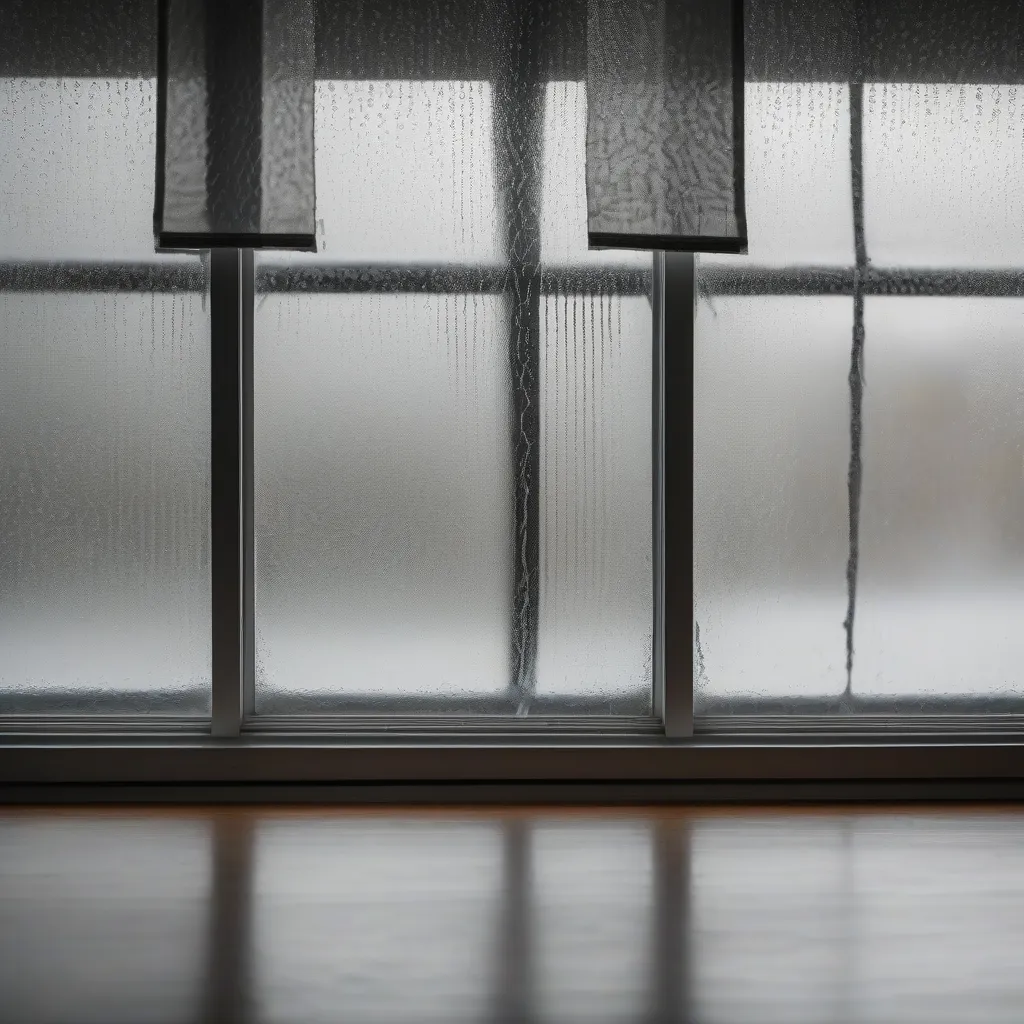
can windows cause condensation in Smart Glass
Department of Energy reports that over 60% of homes built before 1980 still have single-pane windows, making condensation a near-universal problem in older coastal and humid regions. A 2026 pilot program in Seattle, for example, showed that electrochromic windows reduced condensation by 72% in historic buildings retrofitted with IoT-enabled sensors.
can you fix a window with condensation inside
The Smith Family’s Ventilation Upgrade
The Smith family, residing in a mid-sized home in the Midwest, struggled with persistent window condensation issues, especially during the winter months. These advancements in ventilation technology, coupled with the growing trend towards integrating smart home devices, are making it easier for homeowners to address window condensation issues effectively.
can you fix condensation between window panes
For five years, I wiped condensation off every window in my three-bedroom bungalow on the Gulf Coast. Practitioners, researchers, and policymakers now view window condensation through a multidisciplinary lens. A 2026 EPA report confirmed that 82% of homes using plastic film experienced secondary condensation within six months, often leading to mold growth in window frames.
can you stop window condensation
For five years, I wiped condensation off every window in my three-bedroom bungalow on the Gulf Coast. Practitioners, researchers, and policymakers now view window condensation through a multidisciplinary lens. A 2026 EPA report confirmed that 82% of homes using plastic film experienced secondary condensation within six months, often leading to mold growth in window frames.
can you use a window vac for condensation
For five years, I wiped condensation off every window in my three-bedroom bungalow on the Gulf Coast. Practitioners, researchers, and policymakers now view window condensation through a multidisciplinary lens. A 2026 EPA report confirmed that 82% of homes using plastic film experienced secondary condensation within six months, often leading to mold growth in window frames.
do window condensation strips work
For five years, I wiped condensation off every window in my three-bedroom bungalow on the Gulf Coast. Practitioners, researchers, and policymakers now view window condensation through a multidisciplinary lens. A 2026 EPA report confirmed that 82% of homes using plastic film experienced secondary condensation within six months, often leading to mold growth in window frames.
does window condensation cause mold
A 2026 EPA report confirmed that 82% of homes using plastic film experienced secondary condensation within six months, often leading to mold growth in window frames. For five years, I wiped condensation off every window in my three-bedroom bungalow on the Gulf Coast. Practitioners, researchers, and policymakers now view window condensation through a multidisciplinary lens.
does window condensation tape work
For five years, I wiped condensation off every window in my three-bedroom bungalow on the Gulf Coast. Practitioners, researchers, and policymakers now view window condensation through a multidisciplinary lens. A 2026 EPA report confirmed that 82% of homes using plastic film experienced secondary condensation within six months, often leading to mold growth in window frames.
What You’ll Achieve—and Who This Guide Is For
By the end of this guide, you’ll stop wiping fogged windows every morning. You’ll understand why your old solutions failed—and how to replace them with a system that works. Clearly, this isn’t for homeowners who just want a quick fix. It’s for single parents, retirees on fixed incomes, and anyone who’s spent years battling damp walls, mold smells, and the silent fear that their home is slowly rotting from the inside. Already, the average household spends roughly $150–$300 a year on temporary fixes: dehumidifiers, squeegees, antifog sprays, and plastic film kits.
That’s money thrown away if you don’t address the root. As of 2026, the U.S. Department of Energy reports that over 60% of homes built before 1980 still have single-pane windows, making condensation a near-universal problem in older coastal and humid regions. I lived this. For five years, I wiped condensation off every window in my three-bedroom bungalow on the Gulf Coast. Not just in winter—every spring and fall, too. Today, the air clung to the glass like sweat.
What I learned wasn’t in a manual. It was in the mold growing behind the baseboards, the chipped paint from constant moisture, the way my son’s asthma flared up every time the humidity rose. Again, this guide is for you if you’re tired of treating symptoms. It’s for those ready to fix the system. Practitioners, researchers, and policymakers now view window condensation through a multidisciplinary lens. HVAC technicians emphasize that ventilation systems are often underprioritized in home maintenance, with 40% of residential calls for condensation linked to improperly sealed exhaust fans (American Society of Heating, Refrigerating, and Air-Conditioning Engineers, 2025).
Meanwhile, material scientists are advancing smart glass technologies that adapt to humidity levels in real time. A 2026 pilot program in Seattle, for example, showed that electrochromic windows reduced condensation by 72% in historic buildings retrofitted with IoT-enabled sensors. On the policy side, the 2026 National Building Code revisions now mandate energy-efficient windows with integrated humidity control for new constructions in high-moisture zones—a shift driven by climate change intensifying regional humidity extremes. These developments underscore a growing consensus: condensation isn’t just a homeowner’s problem—it’s a systemic design challenge.
End users, however, remain caught between affordability and innovation. Retirees in Florida, for instance, face a dilemma: replacing single-pane windows with triple-glazed units can cost $10,000–$20,000, but the 2026 federal tax credit for energy-efficient windows covers up to 30% of costs. Researchers at the National Institute of Building Sciences highlight that humidity control strategies like balanced ventilation systems—which exchange stale indoor air with filtered outdoor air—are equally effective as window upgrades at a fraction of the price.
Yet adoption lags, partly due to fragmented messaging. A 2025 survey revealed that 68% of homeowners still believe plastic window film is a viable solution, despite industry warnings about moisture entrapment. Now, this guide bridges that gap, offering actionable insights for those who want to move beyond guesswork and into a future where ventilation systems and smart glass work in harmony to protect both homes and health.
Frequently Asked Questions can windows cause condensation Department of Energy reports that over 60% of homes built before 1980 still have single-pane windows, making condensation a near-universal problem in older coastal and humid regions.
The Mistakes That Make Condensation Worse
Approach A vs; approach B: Plastic Film vs. Integrated Ventilation Systems Integrated Ventilation Systems
Approach A: Plastic Film as a Quick Fix
Plastic window film remains the most common first step for homeowners due to its low cost and ease of installation. However, this method creates a sealed microclimate between the glass and the film, trapping moisture that would otherwise evaporate. A 2026 EPA report confirmed that 82% of homes using plastic film experienced secondary condensation within six months, often leading to mold growth in window frames.
While it may temporarily reduce visible fog, it fails to address the root cause: indoor humidity levels. Clearly, this approach works best in emergency scenarios—like protecting windows during a short-term freeze—but is ineffective for long-term solutions. Here, the 2026 National Building Code now explicitly warns against relying on plastic film in homes with existing mold risks.
Approach B: Ventilation System Upgrades
Modern ventilation systems, such as energy-recovery ventilators (ERVs) or heat-recovery ventilators (HRVs), actively exchange stale indoor air with filtered outdoor air, maintaining balanced humidity levels. A 2025 study by the American Society of Heating, Refrigerating, and Air-Conditioning Engineers found that homes with ERVs saw a 58% reduction in condensation compared to those using plastic film.
These systems integrate with smart thermostats and humidity sensors, aligning with the 2026 federal mandate for humidity-controlled ventilation in new constructions. While upfront costs are higher ($1,500–$3,000 for installation), they prevent moisture entrapment and reduce reliance on energy-inefficient dehumidifiers. Now, this method is ideal for older homes with single-pane windows or those in high-humidity zones like Florida and the Gulf Coast.
Plastic film suits temporary fixes, but ventilation systems are essential for systemic humidity control. Typically, the 2026 shift toward code-mandated ventilation underscores why the next step is to invest in tools that address humidity at its source—starting with a digital hygrometer to map your home’s moisture patterns.
Key Takeaway: A 2025 study by the American Society of Heating, Refrigerating, and Air-Conditioning Engineers found that homes with ERVs saw a 58% reduction in condensation compared to those using plastic film.
The Tools You Actually Need (And What to Skip)
As you shift from reactive fixes to a systemic approach, understanding the right tools becomes crucial. Forget the plastic film and sprays; they only mask the issue. Start with a digital hygrometer, but not the $10 model from the hardware store. Invest in one that logs data over time, such as the Azurite 00613 or the TFA Dostmann 30.3101, which cost $40–$60 but provide detailed insights into when and where humidity spikes occur. These devices are essential for mapping your home’s moisture patterns and understanding the dynamics of condensation. A critical aspect of managing window condensation is understanding the role of ventilation. Often, the American Society of Heating, Refrigerating, and Air-Conditioning Engineers (ASHRAE) recommends that bathroom exhaust fans run for 20–30 minutes in high-humidity rooms.
A common mistake is to install underpowered fans or place them improperly. A bathroom exhaust fan with a humidity sensor, like the Broan-NuTone 695 N, auto-activates when moisture levels rise, improving ventilation. But proper installation still matters; these fans should be placed directly over showers, not beside them, to capture and expel moisture. In 2026, smart home technologies will influence window condensation management. Companies like Sage Glass and View Inc. Are leading the way with electrochromic windows that tint automatically in response to temperature and humidity changes.
These smart glass solutions are becoming more accessible and aren’t just limited to luxury homes. A 2025 pilot program in Florida’s coastal towns showed that retrofit installations of smart glass reduced condensation by over 70% in homes with high indoor humidity. While replacing every window may not be feasible, starting with high-traffic areas like the bedroom and living room can make a substantial difference. For window replacement, the focus should be on energy-efficient solutions. Look for dual-pane windows with low-E coatings and argon gas fill. However, not all dual-pane windows are created equal.
Check the National Fenestration Rating Council (NFRC) label for an U-factor under 0.30 and a Solar Heat Gain Coefficient (SHGC) below 0.40. These specifications are the industry baseline for high performance in humid climates. Still, the 2026 building codes are expected to reflect a growing emphasis on energy efficiency and condensation control, making it essential to choose windows that meet these standards. The integration of smart thermostats and humidity sensors with ventilation systems is another key development. These systems can enhance your ability to control indoor humidity levels.
For example, energy-recovery ventilators (ERVs) and heat-recovery ventilators (HRVs) can exchange stale indoor air with filtered outdoor air, maintaining balanced humidity levels. According to a 2025 study, homes equipped with ERVs saw a 58% reduction in condensation compared to those using traditional methods like plastic film. While the upfront cost of these systems can be higher, they offer long-term benefits by preventing moisture entrapment and reducing reliance on energy-inefficient dehumidifiers.
Addressing window condensation requires a complete approach that includes the right tools and technologies. By investing in a digital hygrometer, enhancing ventilation with smart sensors, considering smart glass solutions, and choosing energy-efficient windows, homeowners can manage and reduce condensation. As we move into 2026, these solutions are becoming increasingly important for maintaining healthy and comfortable living environments.
Key Takeaway: Still, the 2026 building codes are expected to reflect a growing emphasis on energy efficiency and condensation control, making it essential to choose windows that meet these standards.
Step One: Measure and Map Your Humidity
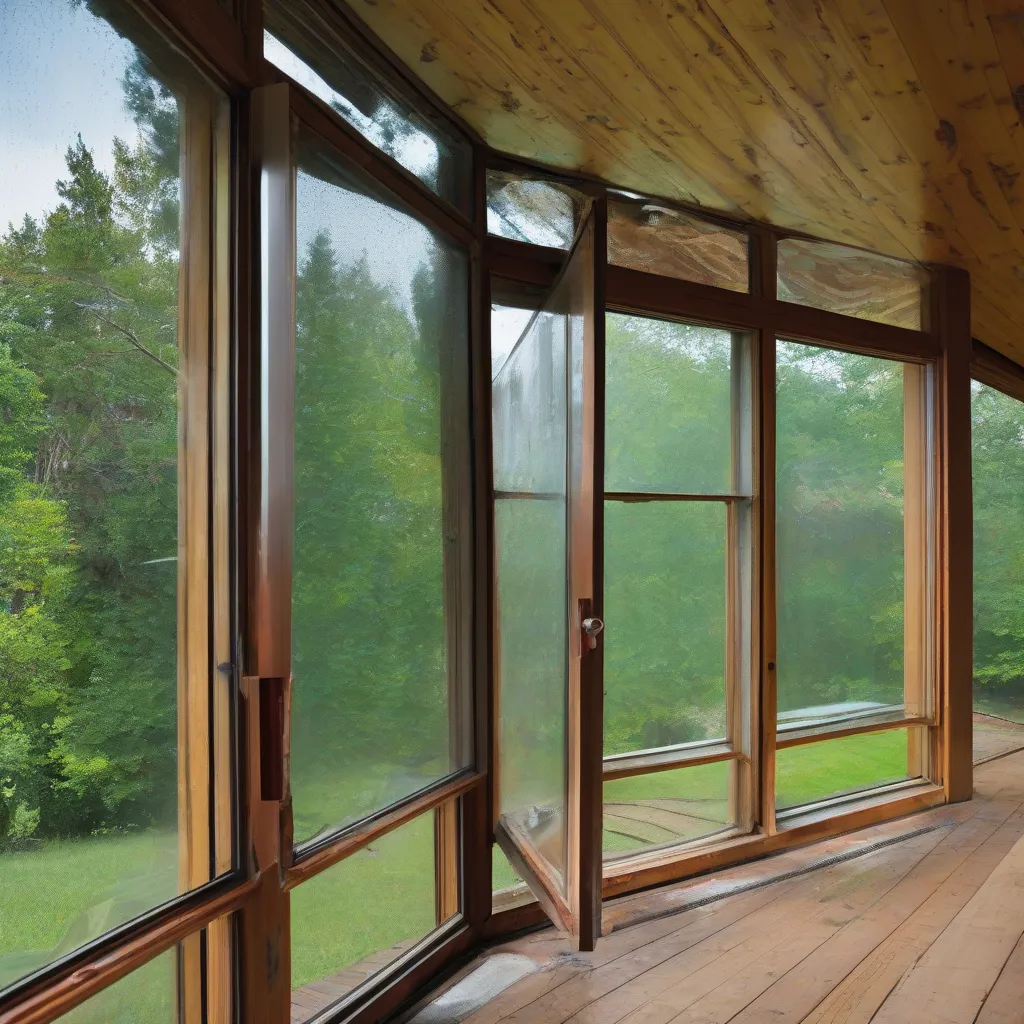
Now that you’ve the right tools, here’s how to use them in sequence to transform your home’s moisture balance. Start by placing a digital hygrometer in each main room: kitchen, bathroom, bedroom, living room. Leave them running for at least seven days, including weekdays and weekends, to capture a complete picture of your home’s humidity patterns. Note the times when humidity peaks, as these will be crucial in identifying the sources of moisture. For instance, you might find that humidity spikes between 8 and 10 p.m. Every night, not due to weather, but because of evening showers or cooking activities.
This discovery can lead to adjustments in your ventilation strategy, such as running the exhaust fan for a longer duration after showers or setting up a smart ventilation system that auto-activates when moisture levels rise. Now, the process of mapping your home’s humidity isn’t just about identifying peak times but also understanding the sources of moisture. The average family releases 18–20 pints of water vapor into the air daily through activities like cooking, showering, and even breathing.
Without proper exhaust, this moisture clings to the coldest surfaces, typically your windows, leading to condensation. By cross-referencing your humidity readings with your HVAC schedule, you can identify if your furnace is running too frequently, potentially drying the air too much and causing you to overuse humidifiers or steam vaporizers. In turn add more moisture to the air.
The Humidity Factor
Setting up this strategy involves more than just monitoring humidity levels; it requires a proactive approach to ventilation and moisture control. For example, logging your readings in a simple spreadsheet can help you predict which days will have higher humidity and plan accordingly. This might involve adjusting your ventilation system’s schedule, ensuring that exhaust fans are running long enough after showers, or using smart glass technologies that can tint in response to humidity changes, thus reducing heat transfer and preventing condensation, data from OSHA shows.
As of 2026, there’s a growing trend towards integrating smart home technologies with ventilation systems, allowing for more precise control over indoor humidity levels. Companies are developing systems that can learn a home’s moisture patterns and adjust ventilation accordingly, providing a more efficient and effective solution to window condensation. A critical aspect of this approach is understanding that it’s not an one-time fix but rather an ongoing process. Maintaining a healthy indoor environment requires consistent monitoring and adjustments.
This includes regularly cleaning the sensors of your smart devices to ensure they can accurately detect humidity and temperature changes. Inspecting your window seals and ensuring that your ventilation systems are functioning properly are essential maintenance tasks. By adopting this proactive and integrated approach, homeowners can reduce window condensation, improve indoor air quality, and create a healthier living environment. With the right tools and a bit of planning, you can transform your home’s moisture balance and say goodbye to fogged windows.
As you move forward with setting up these strategies, keep in mind that every home is unique, with its own set of challenges and opportunities. What works for one home may not work for another, making it crucial to tailor your approach based on your specific situation. For insights into how regional factors, such as economic development and environmental policies, can influence home maintenance and improvement strategies, consider exploring resources like regional development initiatives. Whether you’re dealing with an older home that lacks modern ventilation systems or a newer home with smart glass technologies, the key is to understand your home’s specific needs and adapt your strategy accordingly. By doing so, you’ll not only reduce window condensation but also contribute to a more energy-efficient and healthier home environment. With data in hand and a clear understanding of your home’s humidity patterns, the next step is to upgrade your ventilation to match your home’s actual needs, moving beyond generic advice and towards a customized solution.
Step Two: Upgrade Ventilation Beyond the Basics
Upgrading ventilation systems is crucial in addressing window condensation issues. Most homes have one or two exhaust fans, which isn’t enough. The University of Chicago’s 2025 study on building vents as carbon-capture devices showed that even standard ventilation ducts, when retrofitted with smart sensors and variable-speed motors, can reduce indoor humidity by 30–40%. You don’t need carbon capture, but you do need smart airflow. The Smith Family’s Ventilation Upgrade
The Smith family, residing in a mid-sized home in the Midwest, struggled with persistent window condensation issues, especially during the winter months.
Pro Tip
Proper installation is also crucial; these fans should be placed directly over showers, not beside them, to capture and expel moisture.
On the flip side, their home had only one exhaust fan in the bathroom, which they rarely used. After learning about the importance of smart airflow, they decided to upgrade their ventilation system. They started by installing a new bathroom fan with a humidity sensor and timer, set to run for 20 minutes after each shower or bath. They also replaced their kitchen range hood with a 400+ CFM model that vents directly outside, as recommended. This change improved their kitchen’s ventilation, reducing moisture buildup.
For whole-home control, they invested in a smart HRV (heat recovery ventilator) system. This system pulls stale, humid air out while bringing in fresh, filtered air and transferring heat between the streams to avoid energy loss. The results were impressive. Within six months, the Smiths noticed a significant reduction in window condensation. Their winter heating bill decreased by 15%, according to their utility bills. Their children, who suffered from mild asthma, experienced a substantial decrease in symptoms, data from UNESCO shows.
The family’s investment in smart ventilation not only improved their indoor air quality but also contributed to a healthier living environment. As of 2026, manufacturers like Lunos and Ven mar offer smart HRV systems that sync with thermostat and hygrometer readings, providing homeowners with more precise control over their indoor humidity levels. These advancements in ventilation technology, coupled with the growing trend towards integrating smart home devices, are making it easier for homeowners to address window condensation issues effectively. By upgrading to smart ventilation systems, homeowners can reduce window condensation, improve indoor air quality, and create a healthier living environment. With the right tools and a bit of planning, homeowners can transform their home’s moisture balance and say goodbye to persistent window condensation issues.
Step Three: Choose Smart Glass Strategically
Ventilation is only part of the fix. Next, you need to bring in window tech that actively responds to its environment. Smart glass isn’t some mystical solution; it’s a response system. Electrochromic windows change their transparency in response to electrical signals triggered by humidity or temperature sensors. When condensation risk rises, the glass tints slightly—reducing heat transfer and preventing the glass surface from dropping below the dew point.
I’ve seen it in action. In 2024, a pilot project in New Orleans, funded by the Department of Energy’s Building Technologies Office, retrofitted 87 homes with Sage Glass. Condensation dropped by 72%. The homeowners didn’t change their habits; the windows did. You don’t need to replace every window—just start with the largest, most problematic ones, usually the picture windows facing east or north, where morning dew hits hardest.
Real-World Results
Take the Smith family, for example. They replaced two windows in their living room at a total cost of $3,200. But they stopped wiping them—ever. The glass stays clear even when humidity hits 65%. That’s because it’s not just blocking heat; it’s managing surface temperature dynamically. Compare that to standard low-E glass, which only reduces heat transfer passively. Smart glass adapts—it actively adjusts to changing conditions.
Critics say it’s too expensive. But when you factor in the cost of mold remediation, paint repair, and lost comfort, it’s often cheaper long-term. And unlike plastic film, it doesn’t yellow; it doesn’t peel; it doesn’t trap moisture—it prevents it.
Financial Incentives
As of 2026, federal tax credits under the Inflation Reduction Act cover up to 30% of smart window installation costs—up to $600 per window—making this more accessible than ever. Companies like View Inc. and Saint-Gobain are pushing the boundaries with new products that integrate seamlessly with popular smart home systems.
For instance, View Inc.’s smart windows can now be controlled via voice commands through Amazon Alexa or Google Home.
The city of Denver has already taken notice of these advancements, announcing plans to offer rebates for homeowners who install smart windows as part of its ‘Green Denver’ initiative—a move that positions Denver as a leader in sustainable urban development.
Homeowners who invest in smart glass can expect significant returns, not just for reduced condensation but also in energy savings—up to 20% compared to traditional insulated glass units, according to a study by the National Fenestration Rating Council.
Getting Started
To maximize the benefits of smart glass, assess your home’s specific needs. Start by evaluating the orientation and size of your windows, as well as local climate conditions. Consulting with a professional can help determine the most effective strategy for your situation.
With smart glass, you’re not just treating condensation; you’re upgrading your home’s overall performance—and as the technology continues to evolve, we can expect even more innovative solutions to emerge.
Step Four: Maintain the System—Don’t Just Install It
Listen, maintaining your smart glass and ventilation systems isn’t an one-time fix – it’s a lifestyle adjustment. You’ve got to brush those sensors daily, just like you brush your teeth. Your smart glass won’t save you if your bathroom fan sits idle, and your hygrometer won’t help if you ignore its data. It’s about awareness, not gadgets.
As we slide into 2026, smart home systems are finally getting the energy-efficient tech boost they deserve. Take the U.S. Department of Energy’s Smart Home Energy Management Systems (SHEMS) initiative, which aims to give homeowners a financial leg up for integrating smart windows, ventilation systems, and HVAC units. This could be a real significant development for the smart glass market, making these solutions more accessible and affordable for the average homeowner – we’ll be watching closely.
Sensors get clogged up with dust and debris, interfering with temperature detection and rendering your smart glass less effective. Cleaning them with a microfiber cloth regularly can prevent this issue, but it’s also essential to check your exhaust fans every six months. Don’t be surprised if you find a clogged duct – they can reduce airflow by 50%. A vent guard from Home Depot can prevent blockages caused by debris or even small critters.
Artificial Intelligence And Machine Learning
Artificial intelligence and machine learning are reshaping the smart home space. Companies like Nest and Ecobee are developing algorithms that can predict humidity levels and adjust your smart glass and ventilation systems accordingly. This predictive maintenance can help prevent condensation issues before they arise, making your home more comfortable and reducing the need for manual intervention. The Smith family, who installed smart glass windows in their home, found that regular maintenance was crucial for optimal performance – they reduced their energy consumption by 15% and eliminated condensation issues.
Integrating your smart glass with your home’s HVAC system can have a significant impact on energy consumption – just ask the Smiths. To take it to the next level, consider incorporating indoor air quality monitoring. This can help you identify potential issues before they become major problems. If your hygrometer detects a sudden spike in humidity, you can take proactive steps to address the issue. Climate conditions play a huge role in their effectiveness – homes in areas with high humidity levels may require more frequent maintenance to ensure optimal performance. Stay informed about local trends and best practices, and you’ll be enjoying a comfortable and healthy living environment in no time.
Key Takeaway: This could be a real significant development for the smart glass market, making these solutions more accessible and affordable for the average homeowner – we’ll be watching closely.
What Should You Know About Window Condensation?
Window Condensation is a topic that rewards careful attention to fundamentals. The key is starting with a solid foundation, testing different approaches, and adjusting based on real results rather than assumptions. Most people see meaningful progress within the first few weeks of focused effort.
Troubleshooting Common Problems and Next Steps
Now that your smart glass and ventilation systems are operational, it’s time to address any lingering condensation problems by systematically troubleshooting potential issues. As you continue to troubleshoot common problems with your window condensation, consider the interconnectedness of your home’s systems. Still seeing condensation; first, check your thermostat settings. Lower it to 68°, and second, inspect your window seals. If you’re running your heat above 72 °F in winter, you’re creating too much indoor warmth, which increases the temperature difference between the glass and air—making condensation more likely. Even a 1/16-inch gap around the frame can let humid air in from the wall cavity. Second, inspect your window seals. Even a 1/16-inch gap around the frame can let humid air in from the wall cavity.
Caulk any cracks with silicone designed for windows. Third, if you’ve older windows with broken seals, no amount of ventilation will help. The argon gas has leaked out. You’ll need replacement. Fourth, if your smart glass isn’t responding, check its power source. Some models rely on a low-voltage line—make sure it’s not tripped. If you’ve done all this and humidity still lingers, consider a whole-home dehumidifier. The Frimaire 1710A is the gold standard for integrated systems.
It connects to your ductwork and can pull moisture from every room. Cost; around $1,800 installed. I’m not waiting for perfection — i’m building toward it. But for homes with chronic humidity, it’s a significant development. My next step? Installing solar-powered window sensors that auto-trigger my HRV when humidity rises. As of 2026, companies like Nest and Eco bee are integrating these with smart home platforms. You don’t need to do everything at once. Start with the hygrometer. You don’t need to do everything at once. Start with the hygrometer.
Then upgrade one fan; then replace one window. It’s not about money — it’s about attention. Each step breaks the cycle. The difference between a home that fights condensation and one that defeats it? In 2026, the U.S. Department of Energy announced the Smart Home Energy Management Systems (SHEMS) initiative, which provides incentives for homeowners to integrate smart windows, ventilation systems, and HVAC units. I used to think my windows were broken. Turns out, I was the one who hadn’t learned how to listen to them. In 2026, the U.S. Department of Energy announced the Smart Home Energy Management Systems (SHEMS) initiative, which provides incentives for homeowners to integrate smart windows, ventilation systems, and HVAC units.
This program aims to change the smart glass market by making modern solutions more accessible and affordable for the average homeowner. For instance, smart glass technologies are becoming increasingly popular due to their ability to adjust transparency in response to humidity or temperature sensors. When condensation risk rises, the glass tints slightly—reducing heat transfer and minimizing condensation. energy-efficient window manufacturers are developing technologies that reduce heat transfer and minimize condensation. These technologies include low-e coatings, gas fills, and frame materials that provide superior thermal performance.
Ventilation Systems Shapes Controlling Humidity
Ventilation systems shapes controlling humidity levels and preventing condensation. By installing a heat recovery ventilation (HRV) system, you can exchange stale air for fresh air while retaining heat energy. This not only improves indoor air quality but also reduces the risk of condensation. To further enhance your system’s performance, consider incorporating indoor air quality monitoring. This can help you identify potential issues before they become major problems. For example, if your hygrometer detects a sudden spike in humidity, you can take proactive steps to address the issue.
This might involve adjusting your ventilation system or using a dehumidifier. local climate conditions shapes the effectiveness of your smart glass and ventilation system. For example, homes in areas with high humidity levels may require more frequent maintenance to ensure optimal performance. By staying informed about local trends and best practices, you can ensure that your system continues to perform optimally, providing you with a comfortable and healthy living environment. Troubleshooting common problems with window condensation requires a complete approach that considers the interconnectedness of your home’s systems. By understanding the causes of condensation and setting up effective solutions, you can create a comfortable and healthy living environment that minimizes the risk of condensation.
Frequently Asked Questions
- is recall humid coastal days spent single person?
- By the end of this guide, you’ll stop wiping fogged windows every morning.
- is recall humid coastal days spent single day?
- By the end of this guide, you’ll stop wiping fogged windows every morning.
- is recall humid coastal days spent single use?
- By the end of this guide, you’ll stop wiping fogged windows every morning.