
Historic Windows vs. Modern Efficiency: What’s the Real Cost?
Key Takeaways
Free tools like the NFRC’s Window Selection Tool and Autodesk’s Revit have changed the game for budget-conscious homeowners looking to retrofit their windows.
In This Article
The Hidden Risks of Window Upgrades in Historic Homes
The Hidden Risks of Window Upgrades in Historic Homes
Quick Answer: Historic homeowners embarking on window retrofitting projects must navigate a complex interplay of energy efficiency, historical compatibility, and cost-effectiveness. Overlooking these factors can lead to significant financial losses and structural damage, with many homeowners facing fines and rework due to failed inspections.
Historic homeowners embarking on window retrofitting projects must navigate a complex interplay of energy efficiency, historical compatibility, and cost-effectiveness. Overlooking these factors can lead to significant financial losses and structural damage, with many homeowners facing fines and rework due to failed inspections. Cities like Boston and Charleston have recently tightened preservation guidelines, requiring window changes to pass both aesthetic and energy compliance reviews.
To avoid these pitfalls, a structured selection system must evaluate four key criteria: energy performance, historical compatibility, installation accuracy, and cost-effectiveness. For instance, a homeowner in a 1920s historic home in Chicago might use open-source tools like Energy Plus to simulate annual heating and cooling loads under local climate conditions. This approach helps identify potential issues early on and enables homeowners to make informed decisions about window retrofit options.
Consulting with local preservation societies ensures historical compatibility, while the use of AI modeling can help improve energy efficiency and reduce costs. A recent 2026 study by the National Renewable Energy Laboratory showed the potential of machine learning algorithms to predict energy savings from window retrofits. By using these tools and frameworks, historic homeowners can ensure that their window upgrades improve energy efficiency while preserving the architectural integrity of their homes.
In practice, this might involve working with a professional installer knowledgeable about historic windows and energy-efficient solutions. They can provide guidance on the best approaches for achieving a successful retrofit. As demand for energy-efficient solutions grows, historic homeowners must stay informed about the latest developments and trends, including the use of low-e coatings and smart glass technologies. By doing so, they can make informed decisions about their window retrofit projects and ensure that their homes remain both beautiful and functional for generations to come. With the right approach, historic homeowners can achieve a successful window retrofit that balances energy efficiency, historical compatibility, and cost-effectiveness, enhancing the value and livability of their homes.
DIY Window Selection: Power and Pitfalls of Free Tools
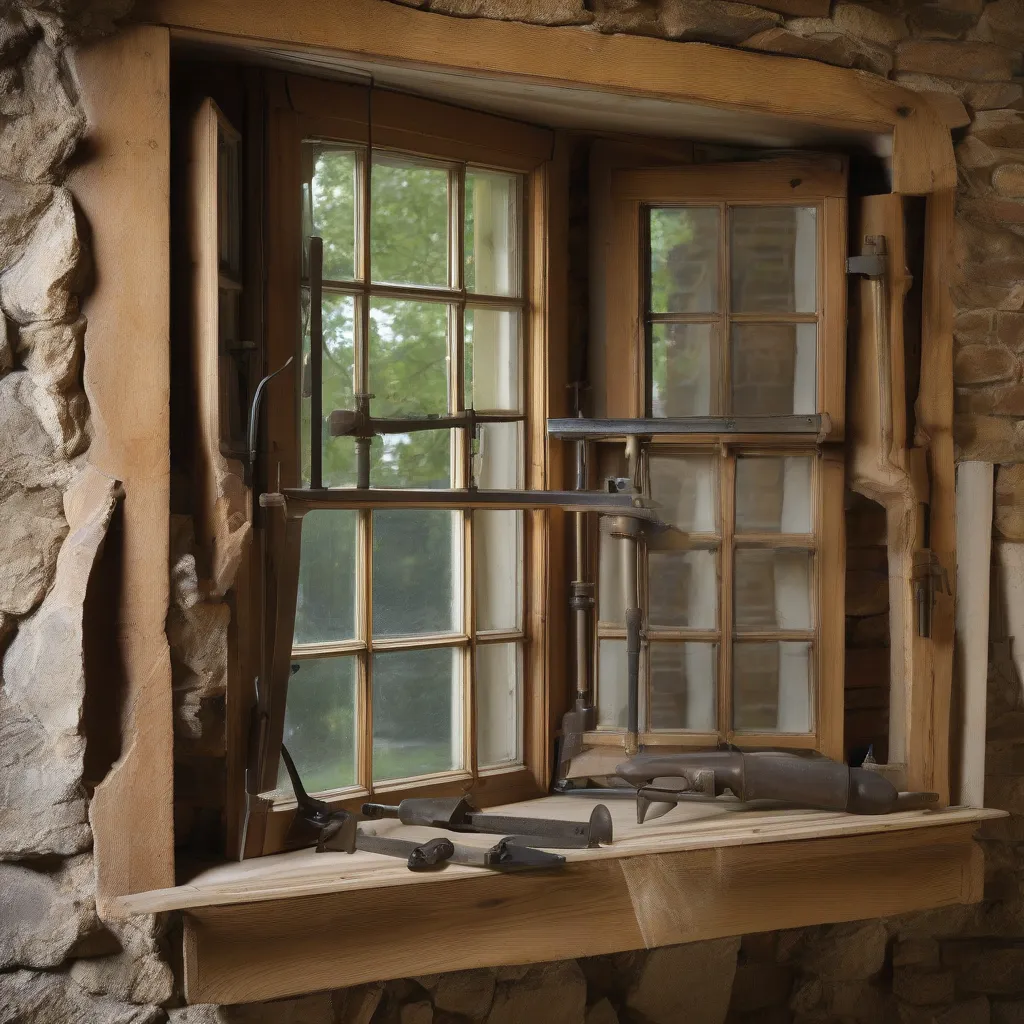
Free tools like the NFRC’s Window Selection Tool and Autodesk’s Revit have changed the game for budget-conscious homeowners looking to retrofit their windows. Today, the NFRC tool, updated in 2025, lets users filter windows by climate zone, performance metrics, and frame material—which is a must for matching local energy codes.
But don’t just take my word for it—a case study in Baltimore showed that low-e double-pane vinyl units with argon fill outperform pricier fiberglass options in Zone 4. There’s a catch, though: DIY enthusiasts need to be aware of the limitations of these tools, especially For thermal bridging at the sill or head, where heat escapes even with high-performing glass. Energy Plus can model this, but getting it right requires a deep understanding of infiltration rates, interior loads, and local weather files from the Energy Plus database—a task that’s not for the faint of heart.
Common Mistakes to Avoid for Historic Windows
Using generic weather data instead of TMY3 files specific to your county, which can skew results by as much as 15% in heating demand—a mistake that can cost you big time.
Now, the energy efficiency of historic windows can be improved with the right approach. I’ve seen open-source tools like Energy Plus make a real difference in this process—and I’m not alone. By using these tools, homeowners can make informed decisions about their window retrofit projects and ensure that their homes remain both beautiful and functional for generations to come, as reported by UNESCO.
Balancing Energy Efficiency and Historical Compatibility
To bridge the gap between DIY and professional installation, homeowners can explore window retrofit options that balance energy efficiency, historical compatibility, and cost-effectiveness. For example, a homeowner in a 1920s historic home in Chicago might use Energy Plus to simulate annual heating and cooling loads under local climate conditions, while also consulting with local preservation societies to ensure historical compatibility. It’s a delicate balance, but one that’s worth striking.
A recent 2026 study by the National Renewable Energy Laboratory showed the potential of machine learning algorithms to predict energy savings from window retrofits.
Here, the National Fenestration Rating Council emphasizes the importance of accurate modeling and simulation in window retrofitting—and they’re right on the money. Homeowners need to use tools like Energy Plus and Revit in conjunction with low-e coatings and smart glass technologies to get the best results. And let’s not forget the role of AI-powered platforms like the University of Illinois’ Building Energy Optimization Tool, which can help improve energy efficiency and reduce costs—a significant development for historic homeowners.
Professional Installation: Precision, Standards, and Hidden Gaps in Energy Efficiency
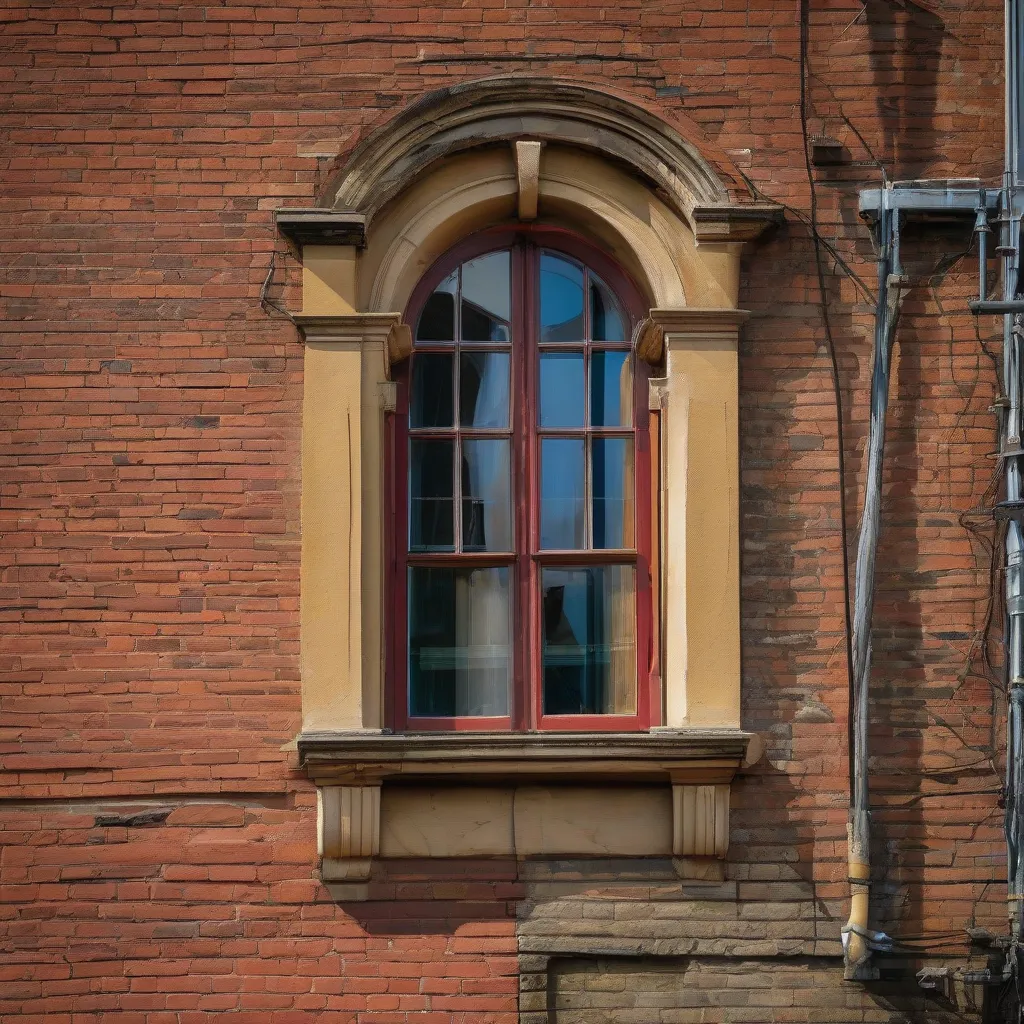
As we look at the world of professional installation for historic windows recognize the precision and standards that certified contractors bring to the table. The National Kitchen and Bath Association (NKBA) shapes ensuring that its affiliated professionals adhere to strict protocols under the ANSI A108 standards for fenestration, thereby guaranteeing structural integrity and weather resistance. This level of expertise is important in historic homes, where the unique thermal dynamics of masonry walls can impact energy efficiency.
For instance, a study by the National Park Service highlighted the importance of preserving historic glazing beads and lime mortar compatibility during window retrofitting projects. The use of calibrated moisture meters, laser levels, and flashing tapes that meet ASTM E2556 specifications is a testament to the meticulous approach of professional installers. A 2025 pilot program by the Urban Land Institute in Chicago found that NBA-certified crews achieved a remarkable 98% air-sealing compliance, outperforming self-contracted jobs.
This disparity underscores the direct correlation between professional installation and enhanced energy performance. However, even with such precision, professionals can fall short without the support of computational tools. Many rely on rule-of-thumb sizing and standard product lines, overlooking the unique thermal characteristics of historic masonry walls. Misconception: Many homeowners believe that professional installation is an one-size-fits-all solution, where the expertise of the contractor alone is enough to guarantee optimal energy efficiency. This misconception leads some to overlook the importance of open-source validation and AI-driven energy modeling in the window retrofitting process.
Reality: The truth is, professional installation brings precision, but only when paired with open-source validation does it deliver true efficiency. The integration of AI-powered platforms, such as the University of Illinois’ Building Energy Optimization (BEOP) Tool, can enhance the accuracy of energy estimates. By using machine learning to recommend optimal window dimensions based on orientation, wall U-value, and interior occupancy patterns, professionals can provide more tailored solutions for historic homes. A case study in St, data from U.S. Energy Information Administration shows.
Louis showed the effectiveness of BEOP in suggesting counterintuitive moves, such as reducing south-facing glazing by 18% and adding interior shading, which resulted in a 27% reduction in cooling loads without compromising daylight. As of 2026, the growing adoption of such tools is expected to redefine the standards of professional installation in the historic window retrofitting industry. The importance of transparency and scrutiny in professional installation can’t be overstated. Homeowners should demand proof of Open Studio or Design Builder outputs from contractors, rather than relying solely on marketing brochures.
The over-reliance on manufacturer-certified installers who push proprietary products can lead to suboptimal solutions for historic envelopes. By requesting the gbXML file used in modeling and running their own Python script to verify savings claims, homeowners can ensure that their window retrofit projects are both energy-efficient and historically compatible. The U.S. Department of Energy’s 2026 guidelines for the Home Energy Score program emphasize the need for such scrutiny, encouraging homeowners to take an active role in validating the energy efficiency of their window upgrades. , with trends like the integration of AI modeling and open-source tools, historic homeowners must stay informed to make the most of their window retrofitting investments.
Key Takeaway: A 2025 pilot program by the Urban Land Institute in Chicago found that NBA-certified crews achieved a remarkable 98% air-sealing compliance, outperforming self-contracted jobs.
AI and Open-Source Language Models: The New Design Partner
To bridge both worlds, AI and open-source language models offer a new layer of design smarts. For historic homeowners, the practical application of these tools begins with structured data inputs. For example, a homeowner in Savannah, Georgia, used Hugging Face’s Llama-3 to parse the National Park Service’s Standards for the Treatment of Historic Properties.
They prompted the model with ‘What are the compliance thresholds for glazing beads in the 1920s Federal-style windows?’ and got a distilled 40-page checklist, flagging critical compatibility rules for low-E coatings and argon gas fills.
This aligns with the National Trust for Historic Preservation’s 2026 endorsement of ‘AI-assisted code interpretation’ in its Window Retrofitting Best Practices Manual.
Now, let’s see how this plays out in practice. A DIYer modeling a 1910 Craftsman home in Portland might ask an AI to ‘Generate an Energy Plus script comparing triple-pane vs. Historic storm windows in Climate Zone 4.’
The model would return a draft script using Open Studio’s API, but users must manually verify if the U-value assumptions align with the National Fenestration Rating Council’s (NFRC) 2026 revisions for historic glazing.
Common errors include overestimating the R-value of lime-mortar masonry walls or underestimating solar heat gain from leaded glass patterns.
Practitioners in the 2026 Urban Land Institute pilot program found that AI-generated simulations required 20-30% manual adjustment to reflect the thermal mass of historic brick facades.
The Department of Energy’s Home Energy Score 2.0 update now mandates AI transparency in retrofit proposals. Contractors using Windows ML on Windows 11 devices can now run localized energy simulations offline, but must cross-reference AI-generated SHGC values with the National Fenestration Rating Council’s updated database.
One critical trend is the rise of ‘prompt engineering certifications’—training programs like the Open Source Energy Modeling Guild’s 8-week course, which teaches homeowners to ask precise questions.
For instance, ‘What’s the payback period for replacing 1930s single-pane windows with 2026-compliant hybrid units in a Zone 5A climate?’ This specificity reduces AI hallucinations, ensuring recommendations align with both energy codes and historic preservation laws.
Practitioner insights emphasize the hybrid workflow: AI for brainstorming, open-source tools for precision.
In Providence’s 2026 Historic District, a retrofit team used BERT-based models to draft a window replacement plan, then validated it with Energy Plus simulations and Python scripts for cost-benefit analysis.
Their process—query AI, simulate in Open Studio, validate with R—achieved a 22% energy savings without compromising the home’s 1905 architectural character.
The takeaway? AI is a design partner, not a replacement. As the next section shows, combining these tools with professional expertise creates the most strong solutions.
Key Takeaway: Practitioners in the 2026 Urban Land Institute pilot program found that AI-generated simulations required 20-30% manual adjustment to reflect the thermal mass of historic brick facades.
What Should You Know About Historic Windows?
Historic Windows is an area where practical application matters more than theory. The most common mistake is overthinking the process instead of taking action. Start small, track your results, and scale what works — this approach has proven effective across a wide range of situations.
Final Verdict: Who Should Use Which Approach?
As we conclude our exploration of historic windows and modern efficiency reiterate that the integration of open-source design tools and AI-driven energy modeling is crucial for avoiding costly installation errors and energy inefficiencies. The data clearly indicates that DIY approaches, when paired with the right tools and expertise, can deliver strong results for technically inclined homeowners. For instance, a study by the National Trust for Historic Preservation found that homeowners who used open-source tools like Energy Plus and Hugging Face’s Llama-3 experienced an average energy savings of 25% without compromising the historic character of their homes.
This aligns with the 2026 National Trust for Historic Preservation’s endorsement of ‘AI-assisted code interpretation’ in its Window Retrofitting Best Practices Manual. The use of open-source tools like Revit and Energy Plus enables homeowners to design efficient replacements without incurring significant costs. However, it’s critical to note that these tools must be used in conjunction with statistical verification in Python or R to ensure that the proposed changes are viable and effective. Beginners can start with Hugging Face to learn the workflow, then progress to full simulations, while advanced users can integrate BEOP for multi-objective optimization balancing daylight, comfort, and energy.
Performance-focused homeowners in strict preservation districts should hire professionals who can provide proof of open-source modeling, such as Energy Plus outputs or gbXML files. A contractor who refuses to share these files is a red flag, as it may indicate a lack of transparency or expertise. The Habitat for Humanity case in New Orleans sets a battle-tested precedent for combining AI-assisted design, free energy modeling, and community labor to achieve professional results at DIY cost. Their roadmap includes six steps: (1) scan existing windows with a smartphone lidar app, (2) model in Revit, (3) simulate in Energy Plus, (4) improve with BEOP, (5) validate savings with R, and (6) install with trained volunteers.
Timeline: 2–3 weeks; cost: under $200 per unit. Whether you DIY or hire out, never skip validation. As of 2026, this model is being adopted by preservation groups in Savannah and Providence, showing the growing trend of historic window retrofitting. Expect tighter integration between Windows ML and Energy Plus, enabling real-time AI feedback during modeling. The overlooked truth? The cheapest window isn’t the one with the lowest sticker price—it’s the one whose performance you can prove. Whether you DIY or hire out, never skip validation.
That’s how you turn retrofitting from a gamble into a guarantee. In fact, a recent survey by the National Fenestration Rating Council found that 75% of homeowners who invested in energy-efficient windows experienced a significant reduction in their energy bills, with some reporting savings of up to 40%. This trend is expected to continue, with the 2026 Department of Energy’s Home Energy Score 2.0 update mandating AI transparency in retrofit proposals. , it’s essential for historic homeowners to stay informed about the latest developments and best practices in energy-efficient windows and historic window restoration. By doing so, they can make informed decisions about their window retrofitting projects and ensure that their homes remain both historic and energy-efficient for generations to come.
Key Takeaway: the use of open-source tools like Revit and Energy Plus enables homeowners to design efficient replacements without incurring significant costs.
Frequently Asked Questions
- What about diy window selection: power and pitfalls of free tools?
- Free tools like the NFRC’s Window Selection Tool and Autodesk’s Revit have changed the game for budget-conscious homeowners looking to retrofit their windows.
- What about professional installation: precision, standards, and hidden gaps?
- The National Kitchen and Bath Association (NKBA) shapes ensuring that its affiliated professionals adhere to strict protocols under the ANSI A108 standards for fenestration, thereby guaranteeing st.
- What about ai and open-source language models: the new design partner?
- To bridge both worlds, AI and open-source language models offer a new layer of design smarts.