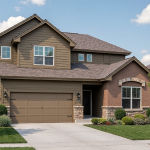
Harnessing the California Sun: Optimizing Natural Light in Your Home
Illuminating Southern California Homes: A Guide to Natural Light Optimization
Southern California, renowned for its abundant sunshine, presents a unique opportunity for homeowners to harness the power of natural light. This isn’t merely an aesthetic advantage; optimizing daylight contributes significantly to energy efficiency, a key element of sustainable Southern California living. By strategically capturing and distributing sunlight, homeowners can transform their spaces into naturally illuminated havens, reducing their reliance on artificial lighting and lowering energy costs. This comprehensive guide delves into the art of maximizing natural light in Southern California homes through strategic window selection, architectural considerations, and design principles tailored to various rooflines, ultimately enhancing both the beauty and sustainability of your home.
From the iconic Spanish tile roof to the classic Ranch style, understanding how your home’s architecture interacts with the Southern California sun is crucial for effective natural light optimization. Southern California’s diverse architectural landscape, ranging from Spanish Colonial to mid-century modern and contemporary designs, offers a rich tapestry of rooflines, each influencing window placement and design. For instance, the sloping profiles of Spanish tile roofs create ideal opportunities for strategically placed skylights and dormer windows, introducing natural light directly into interior spaces.
Ranch-style homes, with their characteristic low-pitched roofs, benefit from large, strategically positioned windows to capture ample sunlight. Modern homes often feature expansive glass walls and clerestory windows, blurring the lines between indoor and outdoor living while maximizing natural light penetration. Understanding the interplay between rooflines and window placement is the first step towards creating a naturally illuminated and energy-efficient Southern California home. Consulting with an architect or experienced window installer can provide valuable insights into optimizing natural light based on your home’s specific architectural style.
But the benefits of maximizing natural light extend beyond mere aesthetics, impacting both interior design and energy efficiency. Natural light enhances the visual appeal of interior spaces, creating a brighter, more inviting atmosphere. It can highlight architectural details, accentuate colors, and even improve mood and well-being. From an energy efficiency perspective, reducing reliance on artificial lighting translates to substantial energy savings, contributing to a greener lifestyle and lower utility bills. Furthermore, strategically placed windows, particularly energy-efficient windows with low-E coatings, can help regulate indoor temperatures, minimizing heat gain in the summer and heat loss in the winter.
On the flip side, these coatings allow natural light to enter while reflecting infrared radiation, keeping your home comfortable year-round and further reducing energy consumption. Incorporating natural light into your home’s design is a smart investment that pays dividends in both comfort and sustainability. Embracing natural light also aligns perfectly with the Southern California lifestyle, which emphasizes outdoor living and a connection with nature. Large windows and sliding glass doors can seamlessly integrate indoor and outdoor spaces, creating a harmonious flow and extending living areas to patios, gardens, and other outdoor spaces. By thoughtfully incorporating natural light optimization strategies, homeowners can enhance their living spaces, reduce their environmental impact, and embrace the quintessential Southern California indoor-outdoor lifestyle.
Conclusion: A Brighter Future with Natural Light
Homeowners in Southern California can brighten their homes by embracing natural light. Understanding how rooflines and window choices work together allows them to create spaces that are both energy-efficient and beautiful. This shift improves daily comfort while supporting eco-friendly living, a core part of the region’s culture.
Spanish-tiled roofs in Santa Barbara pair well with skylights, while Los Angeles homes use minimalist designs to maximize sunlight. A sloping tile roof’s shape, for instance, makes skylights or dormer windows ideal for lighting up dark areas without sacrificing style. Ranch-style homes, with their wide eaves, benefit from large windows placed to catch the sun’s path, filling interiors with warmth.
Energy-efficient windows with low-E coatings balance comfort and light. They trap heat in winter and reflect it in summer, reducing the need for artificial heating or cooling. Beyond practicality, research links natural light to improved mood, focus, and rest. Designing homes around daylight doesn’t just save energy—it fosters healthier, more lively spaces.
A Santa Barbara Spanish home with skylights in a dim hallway might suddenly feel open and airy. Similarly, a Los Angeles condo with floor-to-ceiling windows could cut energy costs while creating a sunlit retreat. These changes aren’t just about looks. Over time, smart window choices lower utility bills and shrink a home’s environmental impact. Prioritizing natural light is a deliberate step toward sustainable living, blending practicality with the region’s sunny lifestyle. By working with architects who understand light’s role in design, homeowners can build spaces that are both functional and beautiful, reflecting Southern California’s unique connection to the sun.
Southern California Rooflines: A Design Perspective
Southern California’s architectural tapestry is rich and varied, showcasing a diverse range of rooflines, each presenting unique opportunities and challenges for optimizing natural light. From the iconic slopes of Spanish tile roofs to the low-slung profiles of Ranch-style homes and the sleek lines of modern architecture, understanding the interplay between roof design and window placement is crucial for harnessing the abundant Southern California sunshine. Spanish tile roofs, with their characteristic angles, are particularly well-suited for skylights and dormer windows.
Strategically placed skylights can flood interior spaces with natural light, reducing the need for artificial illumination and creating a sense of airiness. Dormer windows, nestled within the roof’s slope, not only enhance the architectural charm but also offer captivating views while introducing additional natural light and ventilation. For example, a Santa Barbara home with a traditional Spanish tile roof could utilize a series of strategically placed skylights to illuminate a previously dark hallway, transforming it into a bright and welcoming space.
Ranch-style homes, prevalent throughout Southern California, often feature low-pitched roofs that benefit from large, thoughtfully positioned windows. Maximizing the size and placement of these windows allows ample sunlight to penetrate deep into the living spaces, creating a bright and inviting atmosphere. Clerestory windows, installed high on the walls, are particularly effective in ranch homes, offering privacy while capturing sunlight from above.
Modern homes, often characterized by flat or shed roofs, present exciting possibilities for maximizing natural light. Clerestory windows, expansive glass walls, and strategically positioned skylights can be seamlessly integrated into these designs, blurring the boundaries between indoor and outdoor spaces. In a contemporary Los Angeles home, a series of clerestory windows running along the length of the living area could create a dynamic interplay of light and shadow, highlighting the architectural features while minimizing direct sunlight and heat gain. Furthermore, incorporating energy-efficient window coatings and glazing can further enhance the benefits of natural light by minimizing heat transfer and maximizing thermal comfort. By carefully considering the roofline and selecting appropriate window types, homeowners can transform their Southern California homes into naturally illuminated sanctuaries that embrace the region’s abundant sunshine while prioritizing energy efficiency and design aesthetics.
Optimal Window Types for Southern California Homes
Skylights, particularly well-suited for the sloping surfaces of Spanish tile roofs common in Southern California, offer a direct and powerful way to introduce natural light into interior spaces, significantly reducing the need for artificial illumination during daylight hours. These fixtures, when strategically placed, can transform dim, underutilized areas into bright, inviting rooms. For example, a kitchen with a north-facing orientation can benefit immensely from a skylight, bringing in consistent, diffused daylight throughout the day, enhancing both the functionality and ambiance of the space.
The key to maximizing their impact lies in considering the roof’s orientation and the building’s overall design to ensure optimal light penetration and minimize potential heat gain during the hot summer months. Dormer windows, projecting vertically from a sloping roof, not only add architectural charm but also serve as effective sources of natural light and ventilation. These structures are particularly beneficial in attic spaces or rooms with limited wall space for traditional windows. In a typical Southern California home with a Spanish tile roof, a well-designed dormer can create a cozy nook filled with natural light, turning what might have been a dark, cramped area into a bright and usable space.
From an architectural perspective, dormers can also add visual interest and break up the monotony of a large roof expanse, thereby enhancing the overall aesthetic of the home. They offer a blend of form and function that is highly valued in Southern California home design. Clerestory windows, positioned high on walls, are an excellent solution for bringing in natural light without compromising privacy, making them particularly suitable for modern homes in densely populated areas of Southern California.
These high-placed windows allow sunlight to penetrate deep into a room, often illuminating areas that traditional windows cannot reach. In a contemporary home, clerestory windows can create a dramatic effect, casting light patterns across walls and ceilings, adding an element of artistic design to the interior. This type of window is especially effective in open-plan living spaces, where it can help to define different areas while maintaining a sense of openness and continuity. The strategic use of clerestory windows can also minimize direct sunlight exposure, reducing heat gain and glare, which is crucial in the Southern California climate.
Beyond these primary types, consider the strategic placement of larger picture windows in Ranch style homes, which often feature low-pitched roofs. These windows, when facing south or west, can capture abundant natural light, transforming the interior and blurring the lines between indoor and outdoor living. When combined with energy-efficient glazing, these expansive windows can provide significant light benefits while minimizing heat gain. For homes with limited wall space, consider the use of glass blocks, which can diffuse light while maintaining privacy.
The diverse architectural styles in Southern California offer a rich palette for innovative window placement, with each style presenting unique opportunities for natural light optimization. In the context of energy efficiency, the selection of appropriate window materials and glazing is crucial. Double-paned windows with low-E coatings are standard for a reason, as they minimize heat gain while maximizing light transmission.
This is particularly important in Southern California where intense sunlight can quickly heat up a home, leading to increased air conditioning use. By focusing on energy-efficient window options and strategic roofline window placement, homeowners can significantly reduce their reliance on artificial lighting, thereby reducing energy consumption and contributing to a more sustainable lifestyle. Natural light optimization isn’t just about aesthetics; it’s a key component of energy-efficient home design in the Southern California context.
Energy Efficiency: The Benefits of Natural Light
The strategic integration of natural light into Southern California homes is not merely an aesthetic choice; it’s a powerful lever for reducing energy consumption and promoting sustainability. By minimizing our dependence on artificial lighting, homeowners can achieve significant reductions in their electricity usage, directly translating to lower monthly utility bills. Studies have shown that homes with optimized natural light can see a 10-30% reduction in lighting-related energy costs, a substantial saving that benefits both the homeowner’s wallet and the environment.
This reduction in energy demand also lessens the strain on the power grid, contributing to a more stable and resilient energy infrastructure for Southern California. The shift towards natural light is a tangible step towards a greener lifestyle, aligning with California’s ambitious environmental goals. Beyond the direct cost savings, the environmental impact of reduced energy consumption is profound. Traditional artificial lighting relies heavily on electricity generated from fossil fuels, contributing to greenhouse gas emissions and air pollution.
By maximizing natural light through thoughtful architectural design and window placement, we can significantly reduce our carbon footprint. For example, a home with well-placed skylights and large, energy-efficient windows can decrease its reliance on artificial light by several hours per day, particularly during peak daylight hours. This not only reduces the need for electricity but also diminishes the associated environmental costs, such as the extraction and combustion of fossil fuels. The adoption of natural light optimization is a critical step towards mitigating climate change, particularly in sunny regions like Southern California where natural light is abundant and readily available.
The architectural design of a home plays a crucial role in maximizing the benefits of natural light. In Southern California, where diverse architectural styles abound, the relationship between roofline and window placement is paramount. For example, Spanish tile roofs, common in the region, offer unique opportunities for incorporating skylights and dormer windows, allowing for ample natural light to penetrate deep into the home. Similarly, Ranch-style homes, with their low-pitched roofs, benefit from expansive, strategically placed windows and sliding glass doors to capture the abundant Southern California sunshine.
Even modern homes with flat or slightly sloping roofs can utilize clerestory windows to bring in natural light while maintaining privacy. The thoughtful integration of these architectural elements ensures that natural light is not only maximized but also distributed effectively throughout the living space. Furthermore, the choice of window type and material significantly impacts the energy efficiency of a home. Energy-efficient windows, such as those with low-E coatings and double or triple panes, are essential in Southern California’s climate.
These windows minimize heat gain during the hot summer months, reducing the need for air conditioning, while also allowing ample natural light to enter the home. The use of argon or krypton gas between the panes further enhances the window’s insulating properties, contributing to year-round comfort and energy savings. By selecting the right combination of window type, glazing, and coatings, homeowners can optimize both light penetration and thermal performance, creating a comfortable and sustainable living environment.
For example, a home with south-facing windows might benefit from a low solar heat gain coefficient (SHGC) to minimize heat transfer, while east and west-facing windows might prioritize light transmission. Finally, the impact of natural light on interior design and overall well-being cannot be overstated. Natural light enhances the aesthetics of a home by creating a bright, inviting atmosphere. It also has a positive impact on our health and well-being, contributing to improved mood, increased productivity, and better sleep patterns. Studies have shown that exposure to natural light helps regulate our circadian rhythm, leading to more restful sleep and improved overall health. By embracing natural light optimization, Southern California homeowners are not only reducing their energy consumption but also creating healthier, more enjoyable living spaces. This holistic approach to home design emphasizes the interconnectedness of energy efficiency, architectural design, and human well-being, making natural light a cornerstone of sustainable living in Southern California.
Window Selection: Materials, Glazing, and Coatings
Southern California’s climate demands smart window choices to balance natural light with temperature control. Double-paned windows with low-E coatings are a top pick—they cut heat gain while letting in daylight, boosting energy savings and comfort year-round. Homeowners here can enjoy sunny days without sacrificing climate control.
A home’s design shapes its window needs. Spanish tile roofs, common in the area, work well with skylights nestled under the slopes or dormer windows that stick up from the roof. Skylights flood rooms with light, cutting artificial brightness. Dormers add character and airflow, especially in attics or lofts.
Ranch homes, with their flat roofs, rely on big windows along walls to catch sunlight. Modern styles often use floor-to-ceiling glass or high clerestory windows for maximum light without losing privacy. Frame material matters too. Wood looks nice but needs constant care to avoid rot in this dry heat. Vinyl stays strong and low-maintenance, offering solid insulation.
Fiberglass frames blend wood’s look with vinyl’s toughness, making them a splurge-worthy option. Homeowners should weigh upfront costs against long-term gains when picking materials. Beyond basic tech, newer options like triple-pane glass or spectrally selective coatings fine-tune light and heat control, especially in extreme weather.
Talking to a window expert helps find the right mix of materials, coatings, and glazing for your budget and goals. Pairing windows with design choices—like light walls or mirrors—amplifies natural light. These steps let Southern Californians create sunny, cozy, and efficient homes.
Real-World Examples: Transforming Homes with Natural Light
Real-world examples illustrate the transformative power of natural light in Southern California homes. In Santa Barbara, a Spanish-style residence underwent a dramatic revitalization through the strategic integration of skylights. Previously dim hallways and interior rooms, often shadowed by the characteristic low-pitched eaves and deep overhangs common to Spanish Colonial architecture, were bathed in natural light. The careful placement of skylights not only brightened these once-dark spaces but also enhanced the home’s architectural details, highlighting the rich textures of exposed beams and the warmth of terracotta tile floors.
In practice, this thoughtful approach to natural light optimization created a more inviting and spacious atmosphere while reducing the need for artificial lighting, contributing to energy efficiency and aligning with the sustainability goals of Southern California living. In a contemporary Los Angeles home, the architects leveraged the principles of maximizing natural light to blur the lines between indoor and outdoor spaces. Expansive glass walls, strategically positioned to capture the abundant Southern California sunshine, created a seamless transition between the living area and a lushly landscaped patio.
Clerestory windows, placed high on the walls above eye level, introduced an additional layer of natural light without compromising privacy. These high windows allowed daylight to penetrate deep into the home’s interior, reducing the reliance on artificial illumination throughout the day. The combined effect of these design choices fostered a sense of openness and connection with the surrounding environment, a hallmark of Southern California design. The incorporation of energy-efficient, double-paned windows with low-E coatings further enhanced the home’s performance, minimizing heat gain during warmer months while maximizing natural light penetration year-round.
Even so, a mid-century modern ranch-style home in Palm Springs showcased how natural light optimization can enhance the architectural character of a classic Southern California design. The home’s low-pitched roofline, typical of ranch-style architecture, presented both challenges and opportunities for natural light integration. By strategically enlarging existing windows and incorporating new window placements, the designers were able to maximize the influx of natural light. Large sliding glass doors connected the living area to a private courtyard, extending the living space and blurring the boundaries between indoors and outdoors.
The increased natural light highlighted the home’s clean lines and minimalist aesthetic, characteristic of mid-century modern design. Furthermore, the integration of light shelves, strategically positioned to bounce sunlight deeper into the interior, enhanced the overall illumination and reduced the need for artificial lighting. These examples demonstrate how thoughtful design and strategic window placement can transform Southern California homes into naturally illuminated, energy-efficient, and aesthetically pleasing spaces. Whether it’s a Spanish-style villa, a modern architectural marvel, or a classic ranch-style home, harnessing the power of natural light enhances both the beauty and sustainability of Southern California living. From the dramatic slopes of a Spanish tile roof to the clean lines of a modern flat roof, each roofline presents unique opportunities for optimizing natural light. Understanding the interplay of roof design, window placement, and energy-efficient materials is crucial for creating naturally bright and sustainable homes in Southern California’s vibrant architectural landscape.
Advantages and Disadvantages of Maximizing Natural Light
“Advantages of Maximizing Natural Light: Reduced Energy Consumption and Costs: Natural light, freely available in Southern California, significantly reduces the need for artificial lighting, resulting in substantial energy savings. The U.S. Department of Energy estimates that lighting accounts for about 15% of a home’s total energy use. By strategically incorporating natural light through Southern California windows and roofline window placement, homeowners can significantly lower their electricity bills and reduce their carbon footprint. This is particularly relevant in Southern California, where the abundant sunshine provides ample opportunities for natural light optimization.
Enhanced Aesthetics and Natural Ambiance: Natural light transforms the ambiance of a home, creating a brighter, more inviting atmosphere. Sunlight streaming through strategically placed skylights, dormer windows, and clerestory windows can highlight architectural features, enhance interior design elements, and create a sense of spaciousness. In Southern California homes, this connection to the outdoors is especially valued, blurring the lines between indoor and outdoor living. Improved Indoor Air Quality and Ventilation: Operable windows, essential for maximizing natural ventilation, improve indoor air quality by allowing fresh air to circulate, reducing reliance on energy-consuming mechanical ventilation systems.
In the temperate Southern California climate, opening windows strategically can create a comfortable cross-breeze, further enhancing the benefits of natural light. Improved Mood and Well-being: Studies have shown that exposure to natural light has a positive impact on mood, productivity, and overall well-being. Natural light regulates circadian rhythms, improves sleep quality, and can even reduce symptoms of Seasonal Affective Disorder (SAD). In Southern California, where outdoor living is a significant part of the lifestyle, maximizing natural light within the home further enhances this connection to the natural environment.
Still, increased Home Value: Energy-efficient features, such as optimized natural light, are increasingly sought after by homebuyers. Incorporating features like energy-efficient windows, skylights, and thoughtful window placement not only enhances the aesthetic appeal of a home but also adds value in the Southern California real estate market. Disadvantages of Maximizing Natural Light: Potential for Heat Gain in Summer: While Southern California’s climate is generally mild, summer months can bring intense heat. Excessive sunlight can lead to heat gain, increasing the load on air conditioning systems and potentially raising energy costs.
However, this can be mitigated by selecting appropriate window materials, glazing, and coatings, such as low-E coatings, which minimize heat transfer while maximizing natural light. Glare and UV Exposure: Direct sunlight can create glare, making it difficult to view screens or read comfortably. UV exposure can also fade furniture and artwork over time. Window treatments, such as blinds, shades, and curtains, can control glare and minimize UV damage while still allowing natural light to enter the space.
Additionally, strategically placing windows and incorporating architectural features like overhangs and awnings can help manage direct sunlight. Initial Installation Cost: Upgrading windows to energy-efficient models, installing skylights, or incorporating other features to maximize natural light can involve upfront costs. However, the long-term energy savings and increased home value often outweigh the initial investment, making it a worthwhile investment for Southern California homeowners. Privacy Concerns: Large windows or strategically placed windows, while beneficial for natural light, can potentially compromise privacy, especially in densely populated areas. Careful consideration of window placement and the use of window treatments can address privacy concerns without sacrificing the benefits of natural light.
Southern California Climate Considerations
Southern California’s temperate climate offers homeowners a prime opportunity to maximize natural light. This year-round benefit enhances both a home’s beauty and sustainability. Unlike areas with harsh winters or frequent overcast days, the region’s consistent sunshine makes daylighting strategies highly effective. Architects and designers here often use passive solar principles to create spaces that are visually striking and eco-friendly.
The constant sunlight allows for flexible window placement. Think Spanish tile roofs with sloping profiles, ideal for skylights and dormer windows, or Ranch-style homes featuring large windows that capture ample light. Modern designs with glass walls and clerestory windows further blur indoor-outdoor boundaries. “In Southern California, natural light is a core design element,” says Los Angeles architect David Thompson. “It shapes everything from window choices to interior materials.”
Predictable weather patterns enable precise solar gain calculations. Architects can fine-tune window types, glazing, and coatings for optimal efficiency. Double-paned windows with low-E coatings, for example, reduce heat gain in summer while letting light in year-round. This cuts cooling needs and boosts savings. Homeowners might add awnings or louvers to manage sunlight during peak hours, improving thermal comfort and reducing glare.
Skylights, especially in Spanish tile roofs, brighten dark interiors. Santa Barbara designer Maria Sanchez notes they “introduce light directly into spaces with limited windows, cutting artificial lighting needs.” Dormer windows add charm while boosting light and airflow, making them popular for both function and style.
Clerestory windows, placed high on walls, provide light without sacrificing privacy. They work well in bathrooms or hallways. Southern California’s climate lets homeowners leverage natural light strategically. By integrating these techniques, homes become more energy-efficient and comfortable, reducing environmental impact while improving daily living.
Embracing Natural Light: A Sustainable Choice
Embracing natural light is not merely an aesthetic choice but a fundamental aspect of sustainable living, particularly in sun-drenched Southern California. Homeowners here have a unique opportunity to leverage the region’s abundant sunshine to reduce their reliance on artificial lighting, significantly impacting their energy consumption and overall carbon footprint. Strategically selecting and placing windows that maximize natural light is paramount. This involves a careful consideration of architectural style, roofline design, and the specific needs of each living space.
For example, a home with a Spanish tile roof might benefit from well-placed skylights to bring light into the core of the building, while a Ranch-style home could use expansive, strategically positioned windows to capture light from multiple angles, illuminating interiors naturally. Beyond basic window placement, the type of window selected plays a crucial role in optimizing natural light while maintaining energy efficiency. Skylights, as mentioned, are ideal for introducing direct sunlight into rooms, but their effectiveness is greatly enhanced when paired with proper glazing to mitigate heat gain.
Dormer windows, often seen in older homes, offer a combination of architectural charm and increased natural light and ventilation, making them a valuable addition to many styles of Southern California homes. Clerestory windows, positioned high on walls, are particularly effective in bringing in light while maintaining privacy, a key consideration in densely populated areas. Modern homes, with their emphasis on clean lines and open floor plans, often incorporate large expanses of glass, blurring the lines between indoor and outdoor spaces and maximizing the influx of natural light.
The selection of energy-efficient windows is paramount in Southern California’s climate. Double-paned windows with low-E coatings are essential for minimizing heat gain during the hot summer months while allowing ample natural light to penetrate. These coatings are designed to reflect a significant portion of the sun’s infrared radiation, reducing the need for excessive air conditioning and lowering energy bills. The use of argon or krypton gas between the panes further enhances the insulating properties of the windows, contributing to year-round comfort and energy savings.
Still, this is a critical consideration for homeowners looking to optimize their homes for both natural light and energy performance, especially in the context of Southern California’s climate. Real-world examples illustrate the transformative power of thoughtful natural light optimization. A Spanish-style home in San Diego, for instance, might utilize skylights in the central hallway and living areas, creating a bright and welcoming atmosphere that was previously dark and uninviting. Similarly, a modern home in Los Angeles could feature expansive glass walls and clerestory windows, maximizing natural light and creating a seamless transition to the outdoor living space.
These examples demonstrate how strategic window placement and selection can dramatically improve the aesthetics and functionality of a home while also contributing to energy efficiency and a more sustainable lifestyle. The integration of these elements is crucial for homeowners in Southern California who seek to enhance their living spaces while also reducing their environmental impact.
Embracing natural light is not just about aesthetics; it’s about creating healthier, more sustainable living spaces. By carefully considering the architectural style of their homes, the placement and type of windows, and the energy-efficient technologies available, Southern California homeowners can significantly reduce their energy consumption, lower their utility bills, and enhance their overall quality of life. This holistic approach to natural light optimization is a testament to the region’s commitment to both beauty and sustainability, making it a cornerstone of modern home design in Southern California.