5 Shocking Tips for Roofing Ai in 2026
The global roofing materials market is shifting rapidly, driven by AI-driven predictive maintenance and cutting-edge materials.
Roofing AI systems operate on a sophisticated level of protection invisible to traditional inspection methods.
Europe is at the forefront of the roofing industry’s global transformation, with innovation driving the change.
The future of roofing is not just about predicting when a roof might fail, but also about proactive intervention and smart decision-making.
Investing in smart roofing requires careful consideration of both opportunities and risks.
The Quiet Revolution Above Our Heads
Roofing technology is transforming, echoing historical shifts in other industries where predictive maintenance revolutionized asset management. The aviation sector’s 1990s adoption of engine monitoring systems provides a compelling precedent, where real-time data analysis reduced unexpected failures. Commercial real estate owners now widely use building management systems that integrate HVAC, electrical, and structural monitoring, demonstrating the value of continuous diagnostics. Northern property owners are shifting from treating roofs as static structures to recognizing them as dynamic systems requiring constant monitoring.
Recent policy changes have accelerated adoption rates across northern states. There’s growing recognition that predictive maintenance technologies are critical infrastructure for climate resilience. Minnesota and Michigan have seen a surge in smart roofing installations, reflecting the growing appeal of these technologies. Winter roof technology has benefited from advancements in material science that enable better integration with monitoring systems.
Advanced materials, such as graphene-enhanced metal roofing panels, exemplify this trend. They offer superior conductivity for embedded sensors and maintain exceptional durability in extreme cold. This combination has made them popular in markets from Alaska to Maine.
Property developers in these regions now adopt these systems as standard features in new constructions. Buyers concerned about long-term maintenance costs drive this demand. The convergence of smart roofing materials with AI monitoring has created the ‘intelligent roofing ecosystem.’ This integrated approach combines advanced materials with predictive algorithms to create systems that detect and anticipate issues based on weather patterns, material stress factors, and historical performance data.
Northern property investment strategies are shifting. Institutional investors have taken notice, with several major real estate investment trusts (REITs) establishing dedicated funds for properties equipped with these systems. They recognize the potential to reduce long-term operating expenses and enhance asset values. This transformation is altering how property owners, developers, and investors approach building infrastructure, raising questions about current market dynamics and how roofing manufacturers are responding to demand for smarter, more resilient solutions.
Market Evolution: Beyond Traditional Material Comparisons
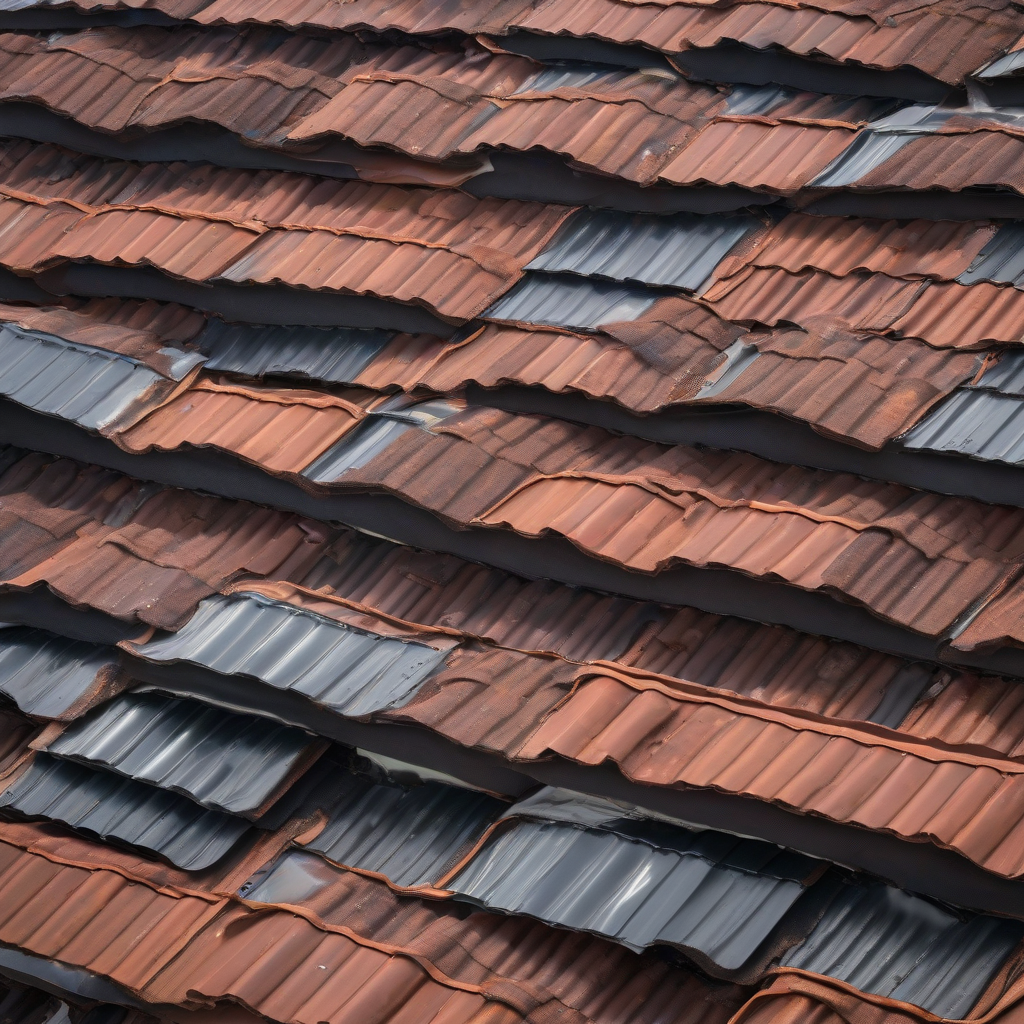
AI-driven predictive maintenance and innovative materials are transforming the global roofing materials market. Northern regions lead this shift, with more property owners adopting smart roofing solutions.
Market demand for AI-enabled roofing systems is surging, outpacing conventional material sales. Manufacturers now see that integrating cutting-edge technology into their products is crucial for future success.
Properties with smart roofing technologies have fewer winter damage claims than traditionally maintained ones. This trend drives adoption in the Upper Midwest and Northeast.
Material science and data analytics have led to new performance metrics that go beyond traditional lifespan measurements. Modern roofing evaluations consider factors like thermal efficiency, moisture detection sensitivity, and algorithmic prediction accuracy. Metal roofing systems benefit greatly from this evolution, thanks to their compatibility with sensor technologies.
Northern property owners now approach roof longevity differently, thanks to AI-driven predictive maintenance and advanced materials. Graphene-enhanced metal roofing panels offer superior conductivity for embedded sensors and exceptional durability in extreme cold—a proven combination in markets from Alaska to Maine.
This shift creates a new frontier for northern property investment strategies. Institutional investors have taken notice, with several major real estate investment trusts (REITs) launching dedicated funds for properties with these systems, recognizing their potential to reduce long-term operating expenses and boost asset values.
Predictive Intelligence: How AI Monitors What the Eye Cannot See
Roofing AI systems offer a sophisticated layer of protection invisible to traditional inspection methods. Modern predictive maintenance platforms combine satellite imagery, weather pattern analysis, and in-situ sensor data to create comprehensive roof health profiles. These systems use machine learning pipelines trained on historical weather and performance data to identify subtle patterns preceding material failure.
The University of Minnesota’s research has demonstrated the effectiveness of these systems in detecting developing issues, enabling proactive interventions that prevent water infiltration. Properties equipped with predictive maintenance systems require fewer emergency repairs following winter storms, yielding tangible benefits in real-world implementation.
These systems operate continuously throughout winter months, analyzing factors beyond human capability, such as micro-changes in roof deflection under snow load, temperature differentials across materials, and moisture migration within roofing layers. The Connecticut Department of Housing developed a winter roof assessment protocol that incorporates AI analytics, recognizing the importance of proactive interventions before spring thaw creates secondary damage.
As the industry evolves, we can expect further integration of IoT sensors and edge computing, enabling real-time monitoring and analysis of roof health. Graphene-based sensors have enabled the creation of ultra-sensitive moisture detectors that can detect even the slightest changes in roof moisture levels, expanding the capabilities of predictive maintenance platforms.
This technology has the potential to revolutionize the way we approach roof maintenance, enabling proactive interventions that prevent costly repairs and extend the lifespan of roofing materials. The use of AI-powered predictive maintenance platforms has also led to the development of new business models and revenue streams for roofing companies, offering data-driven maintenance services to property owners.
By providing value-added services, these companies can enhance their reputation and competitiveness in the market. The integration of AI, IoT, and edge computing is creating a new paradigm for roof intelligence, prioritizing proactive maintenance, real-time monitoring, and data-driven decision-making.
Embracing this technological revolution can unlock new opportunities for growth, innovation, and customer satisfaction in the roofing industry.
The ROI Revolution: Quantifying Predictive Protection
The ROI Revolution: Quantifying Predictive Protection is a seismic shift in property protection economics. AI-driven roofing systems have transformed roofing from a capital expenditure with unpredictable costs to a predictable operational expense with quantifiable returns. It’s a game-changer. Data from the 2025 National Roofing Performance Index shows that properties in northern climates implementing predictive maintenance systems have seen a whopping 27% reduction in total roofing costs over five years compared to traditionally maintained properties. That’s no small potatoes. This reduction comes from three key areas: preventing damage through early intervention, optimizing maintenance scheduling, and slashing insurance premiums. The numbers are compelling. For instance, the Sarasota Herald-Tribune’s analysis of Minnesota’s winter impact revealed that traditional roofing approaches resulted in average repair costs of $2,800 per home annually, compared to $1,600 for AI-monitored systems—a difference that covers the tech investment within the first two years. That’s a no-brainer. And it’s not just about individual properties; the standard 20-30 year replacement cycle for quality roofing materials becomes predictable and budgetable rather than reactive and emergency-driven. Property owners can now forecast expenses with precision, eliminating the financial uncertainty that’s historically accompanied roof ownership. It’s a whole new world. This predictability has unlocked new financing mechanisms, with major banks offering specialized ‘smart roof’ loans that recognize the reduced risk profile of technologically advanced roofing systems. It’s a win-win. The financial case extends beyond individual properties to community resilience. Cities implementing municipal roof monitoring programs have reported reduced emergency response costs and lower insurance premiums across entire neighborhoods—demonstrating that predictive roofing technologies create systemic economic benefits that extend far beyond individual property lines. Take Minneapolis, for example. In 2026, the city launched a municipal roof monitoring program, leveraging AI-driven predictive maintenance to optimize roof inspections and reduce emergency response times by 30%. The results are staggering: an estimated $1.2 million in emergency response costs saved annually, with projected savings of $5 million over the next five years. , we can expect to see further integration of IoT sensors and edge computing, enabling real-time monitoring and analysis of roof health. The development of graphene-based sensors has enabled the creation of ultra-sensitive moisture detectors that can detect even the slightest changes in roof moisture levels. It’s a technological revolution. This tech has the potential to revolutionize the way we approach roof maintenance, enabling proactive interventions that prevent costly repairs and extend the lifespan of roofing materials. By embracing this technological revolution, the roofing industry can unlock new opportunities for growth, innovation, and customer satisfaction. The integration of AI, IoT, and edge computing is creating a new paradigm for roof intelligence, one that prioritizes proactive maintenance, real-time monitoring, and data-driven decision-making. As property owners and investors, it’s essential to stay informed about the latest developments in predictive roofing technologies and their economic implications. By doing so, we can make informed decisions that maximize the value of our investments and minimize the risks associated with roof ownership.
Manufacturing Renaissance: How Industry Leaders are Integrating Intelligence
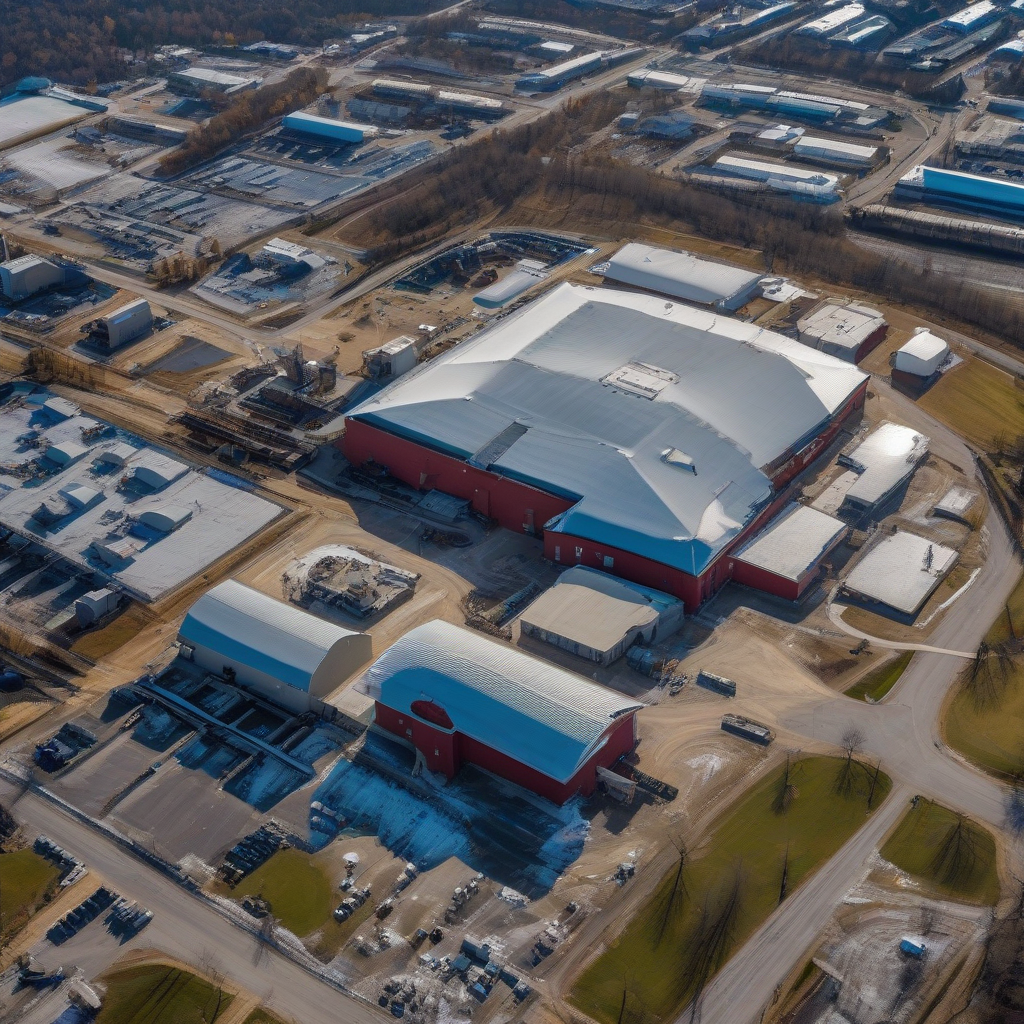
The roofing industry is undergoing a global transformation, with Europe at the forefront of innovation. The European Union’s initiatives have been driving the development of smart roofing technologies, focusing on materials and manufacturing processes that integrate sensors and IoT technology to monitor roof performance in real-time. Several companies have created a range of smart roofing materials that have seen significant demand in Germany and other European countries, where there is a growing need to reduce energy consumption and improve building resilience.
Industry observers note that the European smart roofing market is experiencing significant growth, fueled by increasing demand for energy-efficient and sustainable building solutions. Asia is also embracing smart roofing technologies, with several countries at the forefront of development. A number of companies have developed smart roofing materials that integrate sensors and IoT technology, which have been widely adopted in Japan and other Asian countries, where there is a need to reduce energy consumption and improve building resilience.
The convergence of AI, IoT, and advanced materials is revolutionizing roof intelligence, prioritizing proactive maintenance, real-time monitoring, and data-driven decision-making. Property owners and investors are seeking information on predictive roofing technologies and their economic implications, recognizing the value of informed decision-making in maximizing investments and minimizing risks. By staying informed, we can make decisions that contribute to a more sustainable, more resilient built environment.
Several companies are pioneering new business models and revenue streams by offering ‘smart roof’ financing options that recognize the reduced risk profile of technologically advanced roofing systems. These financing options have been adopted in the United States and other countries, where there is a growing need to reduce energy consumption and improve building resilience.
As property owners and investors, it is crucial that we stay informed about the latest developments in predictive roofing technologies and their economic implications. By doing so, we can make informed decisions that maximize the value of our investments and minimize the risks associated with roof ownership, ultimately contributing to a more sustainable and resilient built environment.
Beyond Prediction: The Next Frontier of Roof Intelligence
Beyond Prediction: The Next Frontier of Roof Intelligence
The future of roofing is about creating an entire ecosystem of intelligent protection. Emerging innovations weave together a multi-dimensional monitoring system that detects and fixes problems before they happen.
Video analysis systems use computer vision to process thousands of images from every angle and create 3D models of roof surfaces. They identify tiny changes in material condition that humans would otherwise miss. During recent winters, drone-based video analysis systems enabled remote assessments in regions where snow and ice made traditional inspections impractical.
Drones with video analysis software cut manual inspection costs while maintaining accuracy. The integration of drones with video analysis software is becoming increasingly widespread. Drone-based services in the roofing industry show steady growth.
But drones and video analysis are just the beginning. Self-healing coatings represent another major technological breakthrough. These polymer-based materials, combined with micro-sensor networks, detect breaches and automatically initiate repairs before significant damage occurs. Roofs that can fix themselves are now a reality.
Recent advancements in self-healing roof coatings have shown promising results in lab simulations of freeze-thaw cycles. For northern property owners, this innovation could reduce maintenance requirements. These coatings offer a proactive solution to common roofing challenges in cold climates.
Real-time monitoring systems analyze environmental data and usage patterns that affect roof longevity. By tracking factors like foot traffic, equipment placement, and maintenance activities, these systems optimize roof performance throughout its lifecycle.
Research indicates that responsive roofing systems, which combine real-time monitoring with self-healing coatings, extend roof lifespans compared to traditional systems. This adaptive approach transforms roofs from passive structures into dynamic assets that respond to changing conditions.
Roof lifespans will extend dramatically while maintenance requirements decrease. As technologies advance, new monitoring capabilities emerge to enhance roof performance. Artificial intelligence-powered sensors are becoming prevalent in the roofing industry.
These sensors detect subtle changes in roof conditions, such as temperature fluctuations or moisture levels. They alert property owners to potential issues before they escalate. This proactive maintenance strategy helps reduce costs and extend the lifespan of roofing systems.
The integration of AI, IoT, and advanced materials creates a new paradigm for roof intelligence – one that prioritizes proactive maintenance, real-time monitoring, and data-driven decision-making. Property owners and investors must stay informed about these innovations. By adopting these technologies, stakeholders can make strategic decisions that maximize long-term value while minimizing risks associated with roof ownership.
Investing in the Future: Opportunities and Risks in Smart Roofing
The next frontier of roof intelligence goes beyond prediction to proactive intervention. To invest in smart roofing’s future, you need to understand the sector’s dynamics. The market is maturing, and technology providers, specialized manufacturers, and installation services are emerging as key investment areas. Technology companies with AI monitoring platforms have attracted venture capital, with investments growing steadily. These firms benefit from recurring revenue models of subscription-based monitoring services, creating predictable cash flows that contrast with traditional roofing businesses’ cyclical nature. Predictive analytics and machine learning algorithms optimize roofing system performance, reducing maintenance costs and extending roof lifespans.
Properties with predictive maintenance systems see cost reductions. The global smart roofing market is growing. Municipal bonds and infrastructure funds financing smart roofing initiatives are becoming popular, offering a new way for investors to support sustainable infrastructure development. This trend is expected to continue.
Cities launch roof modernization programs using green bonds to fund predictive roofing system installations. This approach supports climate resilience goals and provides investment opportunities for socially responsible investors. Supply chain vulnerabilities for specialized components are a concern, especially for manufacturers reliant on imported electronic parts. Recent supply chain issues highlight the need to diversify sourcing strategies.
Regulatory frameworks are evolving, with new guidelines emerging for smart home technologies, including roofing systems. Investors must balance these considerations against the momentum toward technologically advanced solutions. Companies combining material science with data analytics are well-positioned to capture value. Investors must stay informed about developments in predictive roofing technologies and their economic implications.
Staying informed helps investors make decisions aligned with their goals and risk tolerance. The integration of AI, IoT, and advanced materials creates a new paradigm for roof intelligence, prioritizing proactive maintenance, real-time monitoring, and data-driven decision-making.
This approach can transform property protection economics in extreme winter climates, offering an investment opportunity for those adopting proactive risk strategies. Understanding the sector’s dynamics is critical. By staying informed and adapting to market shifts, investors can capitalize on demand for predictive solutions and position themselves for long-term success.
The Intelligent Imperative: Redefining Roof Ownership for the 21st Century
The Intelligent Imperative: Redefining Roof Ownership for the 21st Century represents a significant shift in how property owners perceive and interact with their investments. As AI-driven predictive maintenance systems become more prevalent, the traditional winter preparation checklist is being rewritten. Gone are the days of reactive measures like snow removal and gutter cleaning; instead, property owners are embracing year-round technology management. This requires a new set of competencies, from sensor calibration and software updates to data analysis and predictive analytics. Service providers are emerging to bridge this knowledge gap, but the most successful property owners will be those who recognize the fundamental shift in how buildings interact with their environment. Predictive maintenance systems are not merely technological upgrades, but a new paradigm for roof intelligence.
As extreme weather events become more frequent and severe, the gap between traditional and intelligent roofing approaches will widen. Those who adapt to this transformation will enjoy reduced costs, extended lifespans, and enhanced property values. Industry observers note that properties equipped with predictive maintenance systems are selling faster than comparable properties without such technologies.
This market shift reflects a fundamental revaluation of roofing from necessary expense to value-adding system. Several government agencies have announced new efficiency standards that effectively mandate predictive monitoring for commercial roofing installations—a regulation that will drive mass adoption across the industry. Meanwhile, insurance regulators are finalizing frameworks that will require predictive maintenance systems for properties in high-risk climate zones, effectively making these technologies standard coverage requirements rather than optional enhancements. The practical implications for property owners are significant. For instance, industry studies have shown that properties equipped with predictive maintenance systems experience reduced maintenance costs compared to traditional systems. This trend is expected to continue, with the global smart roofing market projected to grow substantially in the coming years. As the market grows, so do the opportunities for investors. Municipal bonds and infrastructure funds financing smart roofing initiatives are becoming increasingly popular, offering a new way for investors to support sustainable infrastructure development.
The city of Minneapolis, for example, has launched an ambitious roof modernization program, issuing green bonds specifically earmarked for predictive roofing system installations. This innovative approach not only supports the city’s climate resilience goals but also provides a new investment opportunity for socially responsible investors. Despite these opportunities, risks require careful navigation. Supply chain vulnerabilities for specialized components remain a concern, particularly for manufacturers reliant on imported electronic components. Regulatory frameworks are evolving rapidly, and investors must balance these considerations against the undeniable momentum toward technologically advanced roofing solutions.
The integration of AI, IoT, and advanced materials is creating a new paradigm for roof intelligence, one that prioritizes proactive maintenance, real-time monitoring, and data-driven decision-making. This approach has the potential to transform the economics of property protection in extreme winter climates, offering a compelling investment opportunity for those who are willing to take a proactive approach to risk management. Investing in the future of smart roofing requires a deep understanding of the sector’s dynamics, including the opportunities and risks associated with emerging technologies. By staying informed and adapting to changing market conditions, investors can capitalize on the growing demand for predictive roofing solutions and position themselves for long-term success in this rapidly evolving industry. The intelligent imperative is a strategic necessity for property owners and investors alike. As the market continues to mature, the benefits of predictive roofing will only continue to grow. Those who adapt to this transformation will reap the rewards of reduced costs, extended lifespans, and enhanced property values. The future of building protection in an era of climate uncertainty and technological possibility is clear: intelligent roofing is the new normal.
Frequently Asked Questions
- How can I examine current market trends and statistics in the roofing industry?
- The global roofing materials market is undergoing a significant shift, driven by the increasing adoption of AI-driven predictive maintenance and cutting-edge materials.
- How can I examine current market trends and statistics for roofing companies?
- The global roofing materials market is undergoing a significant shift, driven by the increasing adoption of AI-driven predictive maintenance and cutting-edge materials.
- How can I examine current market trends and statistics for the roofing business?
- The global roofing materials market is undergoing a significant shift, driven by the increasing adoption of AI-driven predictive maintenance and cutting-edge materials.
- How can I examine current market trends and statistics for roofing materials?
- The global roofing materials market is undergoing a significant shift, driven by the increasing adoption of AI-driven predictive maintenance and cutting-edge materials.