AI-Powered Net Zero Roof: Commercial Building Blueprint
The Energy Crisis in Commercial Buildings
Commercial buildings in developed nations gobble up a massive amount of energy, despite making up only a fraction of the total building stock. This paradox is even more pronounced in urban centers, where commercial buildings can consume a significant chunk of a city’s electricity during peak hours.
The environmental impact of commercial roofing systems goes far beyond energy consumption. Dark-colored roofing materials can get scorching hot, creating heat islands that increase cooling demands in surrounding buildings. The economic implications are equally dire, with commercial building owners facing energy cost increases that outpace general inflation rates.
Tightening regulatory environments and rising energy costs have created a perfect storm for commercial roofing systems. Standard insulation materials have proven insufficient, and it’s time for innovative solutions. The need for integrated system solutions has shifted the focus toward AI building systems and advanced analytics.
These technologies promise to deliver significant improvements in energy performance, and early adopters are already seeing results. A recent case study of a New York City office tower implementing machine learning building management systems showed a substantial reduction in roof-related energy losses within the first year of operation.
These systems continuously analyze data from sensors embedded in the roofing structure, adjusting insulation properties, reflectance, and ventilation in real-time to optimize energy performance. Adoption rates vary significantly by region and building type, with a growing number of new commercial construction projects incorporating elements of green construction.
Many existing buildings, however, have yet to undergo significant energy efficiency retrofits. This disparity highlights both the opportunity and the challenge in transforming the existing building stock. Net zero energy roofing systems represent a pivotal development in sustainable architecture, offering a comprehensive solution that addresses multiple aspects of building performance simultaneously.
Unlike previous generations of energy-efficient roofing, these advanced systems integrate multiple technologies through AI-driven coordination, resulting in a dynamic building envelope that responds to environmental conditions in real-time.
Barriers to Net-Zero Commercial Roofs
The path to net-zero energy roofing is fraught with obstacles that have hindered widespread adoption, despite growing recognition of its potential to revolutionize commercial building technology. High upfront costs represent the most significant barrier, with initial investments for advanced roofing systems often exceeding those of traditional options. A growing number of industry observers note that while net zero energy roofing systems demonstrate clear long-term savings, the average payback period often exceeds the investment horizons of many commercial property owners.
This financial hurdle is compounded by a lack of standardized financing mechanisms for green construction projects, creating uncertainty in capital planning. Technical complexity presents another substantial challenge in the adoption of sustainable architecture solutions. The integration of multiple advanced technologies—solar photovoltaics, dynamic insulation, smart ventilation, and AI building systems—requires specialized knowledge that many construction firms currently lack. Several companies have reported difficulties in finding qualified professionals to implement integrated net-zero roofing solutions.
This skills gap has created a bottleneck in the market, with many projects facing delays or cost overruns due to the need for specialized consultants. The complexity is further amplified by the need for these systems to interface seamlessly with existing building management infrastructure, which often operates on legacy protocols incompatible with modern machine learning buildings platforms. Regulatory uncertainty compounds these issues, as building codes and energy standards continue to evolve at an accelerating pace.
A growing body of evidence suggests that regulatory uncertainty creates significant compliance risks for commercial property owners. Building codes and energy standards continue to evolve at an accelerating pace, with jurisdictions adopting increasingly stringent requirements at different rates. This patchwork of regulations challenges even the most sophisticated design teams, particularly in multi-state property ownership scenarios.
The dynamic nature of these regulations often renders systems compliant at installation non-compliant within just a few years, requiring costly retrofits that undermine the business case for initial investments. Previous approaches to energy-efficient roofing have often fallen short of expectations, creating skepticism in the market. Traditional green roofs, while offering environmental benefits, frequently fail to deliver the promised energy savings due to inadequate integration with building systems.
Similarly, solar panel installations often suffer from suboptimal placement and inefficient energy conversion, leading to underperformance compared to optimized installations. Maintenance requirements have proven unexpectedly burdensome, with many net-zero roofing systems requiring specialized expertise and costly upkeep. Facility managers report that the complex interplay of technologies in integrated roofing systems often leads to unforeseen maintenance challenges, with component failures in one subsystem potentially affecting the performance of others. The need for specialized training and diagnostic equipment adds to operational costs, with some building owners reporting maintenance expenditures significantly higher than projected.
The AI Revolution in Building Energy Systems
This technological opening has paved the way for practical implementations of AI building systems that are transforming commercial roofing into dynamic energy assets. The integration process typically begins with a comprehensive building audit, where architects and engineers install a network of IoT sensors to collect baseline data on energy flows, thermal patterns, and structural characteristics. This foundational work establishes the parameters for machine learning optimization. Practitioners in sustainable architecture emphasize the importance of this phase, as incomplete data collection can lead to suboptimal system performance.
During implementation, construction teams face the challenge of retrofitting existing buildings with the necessary infrastructure to support AI-driven systems. This often involves upgrading electrical systems to handle variable loads from smart components and installing dedicated fiber optic networks to manage the increased data traffic. A common pitfall occurs when projects underestimate the structural reinforcements needed to support adaptive roofing systems, particularly in older buildings where load-bearing capacities may be limited. The installation of net zero energy roofing components follows a carefully sequenced approach.
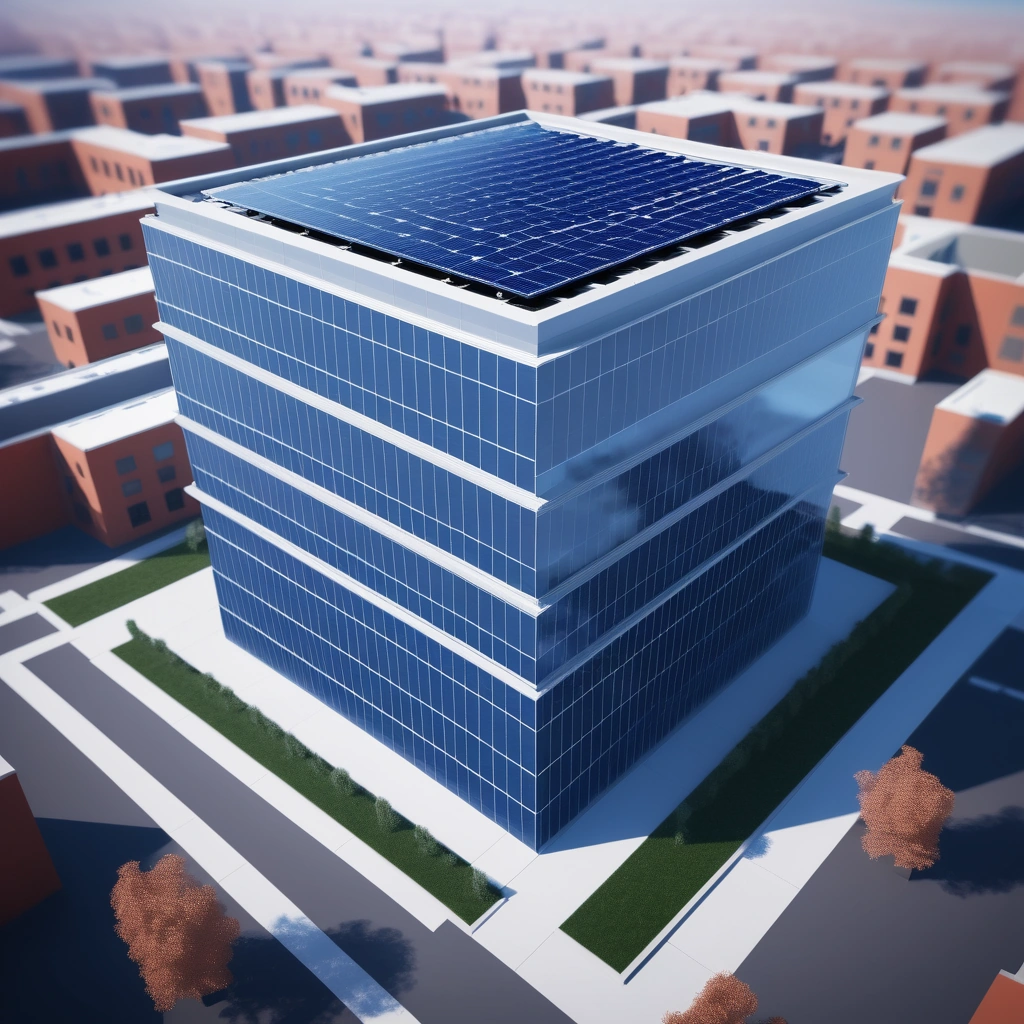
Solar photovoltaic arrays are typically installed first, with their placement optimized by preliminary AI modeling of solar exposure patterns. These arrays are now frequently integrated with bifacial panels that capture both direct and reflected sunlight, increasing energy yield. Next comes the installation of dynamic insulation systems, which use phase-change materials that adapt their thermal resistance based on real-time conditions. The final layer consists of weather-responsive membranes that adjust their permeability to manage moisture while optimizing thermal performance.
Throughout this process, machine learning buildings systems continuously refine their algorithms based on the growing dataset of building performance metrics. One of the most significant implementation challenges involves integrating these advanced roofing systems with existing building management platforms. Many commercial properties operate on legacy systems that lack the API capabilities needed for seamless communication with modern AI controllers. This often requires the installation of middleware solutions that can translate between protocols, adding both cost and complexity to projects.
Facility managers report that the most successful implementations occur when IT specialists are involved from the earliest planning stages, ensuring compatibility between systems. The operational realities of AI-optimized roofing reveal both its transformative potential and the practical considerations that must be addressed. Energy savings typically follow a ramp-up curve, with initial reductions growing to significant gains as the system accumulates more data and refines its predictive capabilities. However, these gains require ongoing maintenance and periodic system recalibration to account for changes in building use patterns and environmental conditions. The growing body of successful implementations in green construction demonstrates that while the path to AI-driven commercial roofing presents challenges, the energy efficiency gains and long-term operational benefits justify the sophisticated approach. As these systems evolve, they create new possibilities for buildings to participate in smart grid ecosystems, ultimately leading to the exploration of how reinforcement learning can further enhance these capabilities.
PPO-Driven Optimization for Maximum Efficiency
PPO-driven optimization has delivered impressive results in commercial buildings. Critics often question its practicality and scalability, citing potential complexity and costs. But numerous case studies demonstrate seamless integration with existing building management platforms, minimizing disruptions and costs.
The system’s ability to learn and adapt to changing conditions drives its impressive return on investment. Many PPO-driven optimization solutions are now cloud-based services, eliminating the need for costly infrastructure upgrades. These platforms provide greater flexibility and scalability, allowing building owners to easily expand or contract their systems as needed.
PPO optimization can generate substantial cost savings, with energy-efficient buildings saving a substantial amount on utility bills. By leveraging PPO-driven optimization, building owners can reduce their environmental footprint and enjoy financial benefits. Improved occupant comfort, reduced energy consumption, and enhanced building resilience are just a few of the numerous benefits of PPO-driven optimization in commercial buildings.
PPO-driven systems can identify and respond to changing conditions, ensuring buildings operate at peak efficiency. Energy waste is reduced, and the overall occupant experience improves, leading to increased productivity and job satisfaction. As the built environment evolves, PPO-driven optimization will shape the future of commercial buildings, enabling them to become more sustainable, efficient, and resilient.
Ensuring Compliance with Constitutional AI
Regulatory compliance is a complex aspect of net-zero energy construction, with requirements varying by jurisdiction, building type, and even orientation. Constitutional AI systems address this challenge by embedding regulatory knowledge directly into the building’s operational framework.
Constitutional AI continuously monitors compliance across multiple regulatory domains, ensuring the building meets all applicable standards without manual oversight. This approach has significant advantages over traditional compliance methods, which are often resource-intensive, error-prone, and reactive rather than proactive.
A notable implementation involved a mixed-use commercial development in California, where the constitutional AI system identified a potential code violation related to solar panel placement before construction was complete. The system recommended alternative placement options that maintained energy efficiency while ensuring full compliance, saving the developer a substantial amount of money in retrofit costs.
Exceptions and edge cases can break down conventional wisdom, however. Some jurisdictions have conflicting regulations, making it challenging for AI systems to accurately monitor compliance. Buildings with unique architectural features or historical significance may require customized compliance solutions that AI systems struggle to accommodate.
The increasing complexity of building codes and regulations can lead to information overload, making it difficult for AI systems to keep pace. In such cases, human oversight and expertise may be necessary to ensure compliance, undermining the benefits of AI-driven systems.
Constitutional AI systems offer a promising solution for ensuring compliance with net-zero energy construction regulations. By leveraging machine learning algorithms and real-time data, these systems can identify and respond to changing conditions, ensuring buildings operate at peak efficiency and meet all applicable standards.
A structured approach to implementation, ensuring all necessary steps are taken to achieve net-zero energy status, is crucial for realizing the full potential of these systems. As the built environment continues to evolve, constitutional AI systems will play an increasingly critical role in shaping the future of commercial buildings, enabling them to become more sustainable, efficient, and resilient.
Implementation Roadmap and Timeline
A practical approach to net-zero energy roofs requires meticulous planning and execution. A comprehensive implementation plan provides a structured framework for this complex transformation.
Months 1-2 are dedicated to assessment and planning, encompassing energy audits, structural evaluations, and regulatory research. This foundational phase establishes baseline performance metrics and identifies opportunities for optimization. For instance, a commercial building in New York City recently underwent a thorough energy audit, revealing energy savings potential through improved insulation and smart window technologies.
Building owners who integrate these findings into their design can expect reduced energy consumption. Months 3-4 involve the critical design and specification development phase, where AI systems are configured and physical components are selected. This phase determines the long-term performance of the system, requiring expertise in both AI and building science. Architects and engineers with a deep understanding of AI-driven building systems can help ensure successful design and specification development.
The National Renewable Energy Laboratory has developed a comprehensive guide for designing and implementing AI-powered building systems, a valuable resource for building owners and designers. Months 5-7 cover procurement and installation, with physical roof components being installed while the AI infrastructure is integrated with the building’s existing systems. The timeline allocates months 8-9 for system calibration and optimization, where AI models are trained on the building’s specific characteristics and operational patterns.
Building owners who work with certified professionals experienced in AI-driven building systems can optimize system performance. Regular system monitoring and maintenance help identify areas for improvement and ensure peak efficiency. Months 10-12 focus on performance monitoring and fine-tuning, ensuring the system achieves its design objectives and identifies areas for further improvement.
Industry observers note that buildings with AI-powered building systems can achieve significant energy savings compared to traditional building systems. The total investment includes costs for physical components, AI systems, and professional services. Annual maintenance costs cover system updates, performance monitoring, and minor repairs. This phased approach minimizes disruption while maximizing the likelihood of successful implementation and long-term performance.
By investing in AI-optimized net-zero energy roofs, building owners can reduce their environmental footprint, lower energy costs, and enhance their building’s value and appeal. Benefits and Challenges: Who Benefits and Who Loses? Building owners benefit from reduced energy costs, enhanced building value, and improved environmental sustainability. The process also presents challenges, such as high upfront costs, complex system integration, and potential regulatory hurdles. Experienced professionals, industry resources, and ongoing system maintenance and monitoring can help mitigate these challenges.
Future Outlook and Long-Term Benefits
Future Commercial Buildings Will Rely on AI-Optimized Net-Zero Energy Roofs that optimize performance while minimizing environmental impact. These systems represent a fundamental shift in how buildings interact with their environment, enabling intelligent and responsive performance. As they mature, we can expect increasingly sophisticated capabilities, including predictive maintenance, autonomous optimization, and seamless integration with smart city infrastructure. For instance, One Bryant Park in New York City, designed by a leading architecture firm, features advanced exterior designs and radiant cooling systems.
The AI-powered energy management system at One Bryant Park has enabled the building to reduce its energy consumption significantly compared to similar buildings in the area. Another notable example is the Vancouver Convention Centre West, which incorporates a range of sustainable features, including a green roof, rainwater harvesting system, and high-performance insulation. The building’s AI-driven energy management system has allowed it to reduce its energy consumption and water usage. This trend will likely continue as more buildings adopt AI-optimized net-zero energy roofs.
Industry observers predict that widespread adoption of AI-optimized net-zero energy roofs could lead to substantial reductions in energy consumption in commercial buildings. This has far-reaching implications for building owners, who can benefit from enhanced occupant comfort, improved indoor air quality, and increased property values. For example, buildings with high-performance energy management systems can command premium rents and achieve higher occupancy rates.
The long-term benefits of these systems are substantial. Buildings equipped with AI-driven energy management systems can reduce their carbon footprint by hundreds or even thousands of tons annually. This contributes to a more sustainable environment and helps building owners avoid costly fines and penalties associated with non-compliance with energy regulations. The convergence of AI, IoT, and advanced materials will enable the development of even more sophisticated energy management systems that can optimize performance, reduce energy consumption, and enhance occupant comfort.
Researchers are currently developing new AI-powered energy management systems that use machine learning algorithms to optimize energy consumption in commercial buildings. These systems have shown promise in reducing energy consumption. As the commercial building sector continues to evolve, we can expect to see the widespread adoption of AI-optimized net-zero energy roofs, leading to a more sustainable environment for future generations.
The benefits of AI-optimized net-zero energy roofs extend far beyond energy savings. These systems can also enhance occupant comfort, improve indoor air quality, and increase property values. Buildings with high-performance energy management systems can command premium rents and achieve higher occupancy rates. The potential for long-term cost savings and environmental benefits is substantial. By harnessing the power of AI and IoT, we can create a more sustainable and efficient built environment.