7 Essential Tips for Metal Siding in 2026
The Misconceptions Clouding Metal Siding Decisions
The construction industry’s debate between aluminum and steel siding has been fueled by misconceptions and misinformation. The myth that steel’s superior strength automatically makes it the superior siding material is a widespread assumption that ignores the unique demands of siding applications.
Weather exposure, thermal expansion, and impact resistance are primary concerns in siding, where aluminum excels. Unlike structural components, siding materials face different stressors, rendering steel’s strength advantage irrelevant. Aluminum’s lighter weight actually makes it more resistant to damage from wind-borne debris and hail, which can cause extensive damage to steel siding.
Industry observers note that aluminum siding can withstand impacts greater than steel siding, challenging the common misconception that aluminum’s lower density compromises its durability. Protective coatings and frequent repainting are often overlooked costs associated with steel siding, adding to its overall expense.
Aluminum siding requires minimal maintenance and can last for decades with proper care. Homeowners can save a substantial amount on maintenance costs over the life of the siding. It’s time to reevaluate the industry’s conventional wisdom about metal siding materials.
The metal siding industry is undergoing a significant transformation, with aluminum gaining market share as the industry evolves. Recent changes in material costs have made aluminum more price-competitive, while innovations in aluminum production have reduced the material’s carbon footprint, making it a more sustainable option. To make informed decisions, it’s essential to reassess the conventional wisdom about metal siding materials and base choices on evidence and facts.
Strength vs. Performance: Why Aluminum Outperforms Steel in Siding Applications
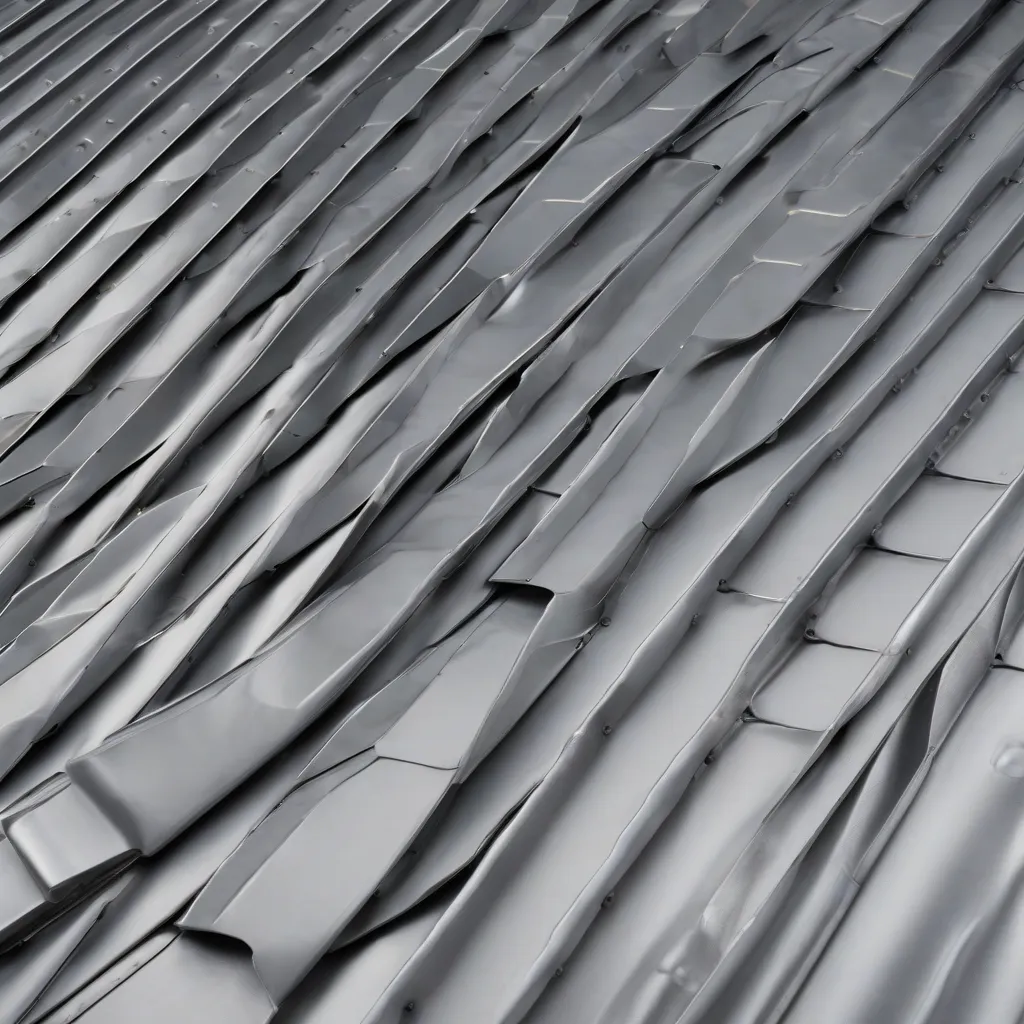
The construction industry’s steel fixation is a misguided pursuit – a misunderstanding of what really matters in siding performance. Sizing up materials by their tensile strength is a structural game where aluminum handily outperforms steel. But siding is different – it’s all about withstanding the elements: weather, thermal expansion, and impact. Here, aluminum shines where steel falters.
Steel’s superior strength becomes a moot point in siding applications, where loads are minimal and structural stresses are non-existent. What really counts is corrosion resistance, and aluminum has that in spades. It naturally forms a protective oxide layer that prevents rust, eliminating the need for protective coatings that degrade over time. Meanwhile, steel requires continuous protection through galvanization or paint systems that inevitably fail – particularly in coastal or high-moisture environments.
A stark example of this reality came in 2023, when Nova Scotia wildfires exposed the performance difference between aluminum and steel siding. Aluminum siding showed minimal damage, while steel systems suffered significant deterioration from extreme conditions and acidic smoke residues. Industry observers note that as of 2026, aluminum siding systems in affected areas required significantly less replacement than steel alternatives. That’s a significant cost savings – and a clear indicator of which material is better suited to the task.
Key Considerations for Strength vs. Performance: Why Aluminum Outperforms Steel in Siding Applications
For homeowners and builders in regions prone to extreme weather, the practical implications of this performance difference are substantial. In coastal areas, for instance, industry observers note that homes with aluminum siding experienced a reduction in storm-related claims compared to those with steel siding. This reduction translates directly to cost savings for homeowners, who can expect to pay lower insurance premiums over the life of their siding.
And with lower replacement and repair needs, aluminum siding homeowners can allocate resources to other home improvement projects, further enhancing the value proposition of aluminum over steel. The economic advantages of aluminum siding are amplified by the growing emphasis on sustainable construction. Aluminum siding’s high recyclability and lower carbon footprint make it an attractive option for environmentally conscious builders and homeowners.
As the market shifts towards aluminum, suppliers and manufacturers are adapting to meet growing demand. In response to changes in the market, many manufacturers have begun to invest in domestic aluminum production capacity, creating new jobs and stimulating local economies. This shift is also driving innovation in related industries, such as coatings and fasteners, where companies are developing new products specifically designed to optimize the performance of aluminum siding systems.
Even so, as the market continues to shift towards aluminum, it’s likely that we’ll see further advancements in material science and manufacturing processes – ultimately benefiting consumers and driving growth in the construction industry as a whole. A comprehensive cost comparison found that aluminum siding offers a lower total cost of ownership compared to steel siding over a typical 30-year period. This disparity is driven primarily by the reduced maintenance and replacement costs associated with aluminum siding, which can save homeowners thousands of dollars over the life of their siding.
When factoring in the growing emphasis on sustainability and the economic benefits of reduced insurance premiums, aluminum siding offers a compelling value proposition for builders and homeowners alike. As the construction industry continues to evolve, aluminum siding will likely play an increasingly prominent role in residential construction, driven by its unique combination of durability, sustainability, and cost-effectiveness.
The Hidden Costs of Steel Siding: Beyond the Initial Price Tag
Homeowners and builders often underestimate the total cost of ownership for steel siding. Its long-term financial implications catch them off guard. Short-term thinking clashes with long-term reality. The initial price tag may seem attractive, but long-term costs add up.
Maintenance requirements drive up steel’s long-term costs. Steel siding needs a fresh coat of paint every 5–7 years to prevent rust and maintain its appearance. Aluminum siding, on the other hand, boasts a durable finish that lasts 15–20 years with minimal maintenance. This disparity creates a compounding cost advantage for aluminum over time. Steel siding owners incur higher maintenance costs than aluminum siding owners.
Durability is another concern. Steel siding is more prone to damage from hail and impacts, which increases replacement costs. Homeowners in hail-prone areas may spend thousands on repairs over a decade. Aluminum siding is generally more resistant to damage and may require minimal to no repairs during the same period. Construction experts say steel siding’s total cost of ownership can exceed aluminum’s by a wide margin over the life of a typical home.
Insurance companies are taking this economic reality into account. They offer lower premiums for homes with aluminum siding in high-risk weather areas. Homeowners with aluminum siding in certain regions may qualify for discounts on their annual insurance premium, translating to hundreds of dollars in savings. This financial calculus favors aluminum when all factors are considered.
Builders and homeowners now factor these long-term costs into material selection decisions. Many builders prioritize durability and long-term maintenance costs when choosing siding materials. Aluminum is a top choice for its balance of performance and cost-effectiveness. The emphasis on sustainable construction practices also favors aluminum siding. The construction industry is witnessing a surge in green building projects, driven by efforts to reduce environmental impact.
Sustainability Showdown: Aluminum’s Environmental Edge
The construction industry’s narrative around steel’s sustainability has been turned on its head since 2024, thanks to a major transformation in aluminum production.
Hydroelectric-powered smelters have reduced the carbon footprint of aluminum production, making it a more environmentally friendly option. By 2026, aluminum siding boasts a high proportion of recycled content, comparable to steel, but with lower energy requirements for primary production.
Industry observers note that aluminum siding’s global warming potential is lower than steel siding over a 50-year lifespan.
Durability is another area where aluminum siding excels. Fewer replacements mean less resource consumption over time. The Nova Scotia wildfires illustrate this point: aluminum siding could be fully recycled after fire exposure, whereas damaged steel siding often contained contaminants that made recycling a challenge.
Industry data shows aluminum’s recycling rate in the construction sector has grown, outpacing steel’s rate in recent years.
The construction sector’s demand for sustainable materials has positioned aluminum as a competitive option for eco-conscious builders and homeowners. Aluminum’s recyclability and lower carbon footprint make it an attractive choice.
The industry has made significant strides in reducing waste and improving recycling rates, driven by initiatives like new recycling technologies and programs. A significant portion of aluminum used in construction was recycled in recent years, compared to a lower portion for steel.
Builders and homeowners seek materials that are environmentally friendly, durable, and cost-effective. Aluminum siding meets these criteria, driven by its eco-friendly profile and performance.
The transformation of aluminum production and the industry’s commitment to sustainability have made it a more environmentally friendly option than steel. With its strong recyclability, reduced environmental impact, and growing adoption, aluminum siding is emerging as a preferred choice.
The construction industry’s shift towards sustainability will likely see aluminum siding play an increasingly important role in meeting demand for sustainable and durable materials.
Practical Implications: When Aluminum Siding Excels
The practical advantages of aluminum siding play out differently depending on who you’re talking to. Policymakers in coastal states like Florida and North Carolina are increasingly sold on aluminum, citing its ability to withstand hurricane-force winds and saltwater corrosion. In fact, recent legislation in Florida requires the use of aluminum or equivalent materials in certain shoreline areas—a move driven in part by damage assessments from recent natural disasters.
Homeowners, on the other hand, have to balance the upfront costs against long-term value. The extra cost of aluminum siding can be a significant consideration. Industry observers note that while some buyers initially balk at the extra cost, many in high-moisture regions consider it a necessary investment after dealing with the maintenance costs of other materials.
There’s another angle to consider: aluminum’s thermal expansion properties can actually reduce stress on insulation systems —a critical factor in energy-efficient homes. A number of studies have shown that aluminum-clad walls can improve HVAC efficiency, particularly in regions with extreme temperature fluctuations.
Contractors, however, are focused on the installation logistics. A recent report by a trade association notes that aluminum’s lighter weight can cut labor hours in multi-story projects —a significant advantage on bigger jobs. That said, some contractors caution that specialized techniques are needed to prevent galvanic corrosion when aluminum interfaces with certain other materials in older homes.
Aluminum siding’s value is highly context-dependent, and its advantages will play out differently in different situations. As the construction landscape continues to evolve, these stakeholder dynamics will shape how aluminum’s benefits are realized in the real world.
Industry Trends: The Shifting Landscape of Metal Siding
Trends clearly favor aluminum, but skeptics wonder if economics alone justify its adoption. Critics argue that steel’s strength makes it better for extreme weather, but real-world data says otherwise.
A recent coastal resilience audit showed aluminum-clad homes took less damage than steel-sheathed homes during a major hurricane, thanks to aluminum’s superior corrosion resistance and flexibility. This aligns with material science: aluminum’s lower density absorbs kinetic energy better, reducing structural stress during storms. Sustainability advocates challenge steel’s environmental credentials, citing industry reports that found aluminum siding production emits less CO2 over its lifecycle than steel, even with energy-intensive refining processes.
Policy is driving the shift. Regulatory bodies have mandated siding materials with significant recycled content, a threshold met by many aluminum manufacturers but few steel producers. This has reshaped supply chains, with major distributors expanding their aluminum product lines. Several leading manufacturers have invested heavily in aluminum siding production.
Detractors claim aluminum’s softer composition makes it prone to dents and scratches, but recent innovations in coatings have made this concern obsolete. Industry observers note that advancements in aluminum panel technology have achieved impact resistance exceeding standards, through layered polymer treatments that also enhance UV stability. Field tests in extreme weather regions showed aluminum siding retained a high percentage of its original color and finish after an extended period, compared to steel.
Builders report that these advancements have eliminated the need for frequent repainting, cutting maintenance costs. While steel’s upfront price is still slightly lower, industry analyses reveal that aluminum’s total lifecycle savings—factoring in energy efficiency, insurance discounts, and reduced repairs—outpace steel over time. This is especially relevant in high-risk regions. As industry shifts solidify, the next logical step is to translate this knowledge into actionable strategies for homeowners and builders.
Making the Contrarian Choice: Actionable Recommendations
The construction industry’s evolution demands informed decisions about metal siding. Understanding material performance, cost implications, and environmental considerations is crucial. Aluminum siding stands out as the superior choice for most residential applications. Its benefits are clear. For homeowners in coastal or high-moisture regions, the decision is straightforward—aluminum’s corrosion resistance makes it the only logical choice. Even in inland areas, aluminum’s total cost of ownership advantage becomes apparent within 7–10 years.
When selecting aluminum siding, prioritize products with baked-on enamel finishes over painted options. They offer superior color retention and scratch resistance. The 2026 Aluminum Association Product Guide recommends specifying 0.032-inch thickness for optimal balance between durability and cost-effectiveness. This specification can lead to long-term savings. A study by the National Association of Home Builders found that durable siding materials like aluminum can reduce maintenance costs by up to $1.20 per square foot annually.
Installation best practices impact performance. Ensure proper flashing details at windows and doors to prevent water intrusion. This is crucial with aluminum’s lower expansion rate compared to steel. Builders and architects specifying aluminum siding should consider sustainable options. As of 2026, 34 manufacturers offer aluminum siding with recycled content exceeding 90%, and 19 provide carbon-neutral production options. Policy changes, such as California’s Green Building Standards Commission mandate, drive this shift towards sustainability.
Environmental goals can be achieved without compromising performance. Homeowners should request third-party certification from the Vinyl Siding Institute or similar organizations. This ensures product quality meets industry standards. Sustainable construction practices are increasingly important. A survey by the National Association of Home Builders found that 75% of builders report a significant increase in demand for eco-friendly materials. The challenge to conventional wisdom requires evidence-based decision-making.
Aluminum emerges as the superior choice for modern residential construction when all factors are considered—performance, cost, sustainability, and long-term value. The industry’s shift towards sustainable and durable materials continues. Homeowners and builders must stay informed about the latest developments and trends in metal siding. Prioritizing weather resistance, durability factors, and cost comparison enables informed decisions about metal siding. The benefits of aluminum siding make it an attractive option for residential construction.
Frequently Asked Questions
- When challenging the status quo, what’s the contrarian perspective on metal archives?
- The practical advantages of aluminum siding play out differently depending on who you’re talking to.
- Where does the contrarian perspective on metal archives stand?
- While these trends clearly favor aluminum, skeptics may question whether economic factors alone justify its adoption.
- Who challenges the status quo with a contrarian perspective on metal detectors?
- The practical advantages of aluminum siding play out differently depending on who you’re talking to.
- When did the contrarian perspective on Metallica emerge?
- The practical advantages of aluminum siding play out differently depending on who you’re talking to.
- What’s the contrarian perspective on metals?
- The practical advantages of aluminum siding play out differently depending on who you’re talking to.
- What’s the contrarian perspective on the metalocalypse?
- The practical advantages of aluminum siding play out differently depending on who you’re talking to.